Explore
Museums
Art, culture, and fascinating collections
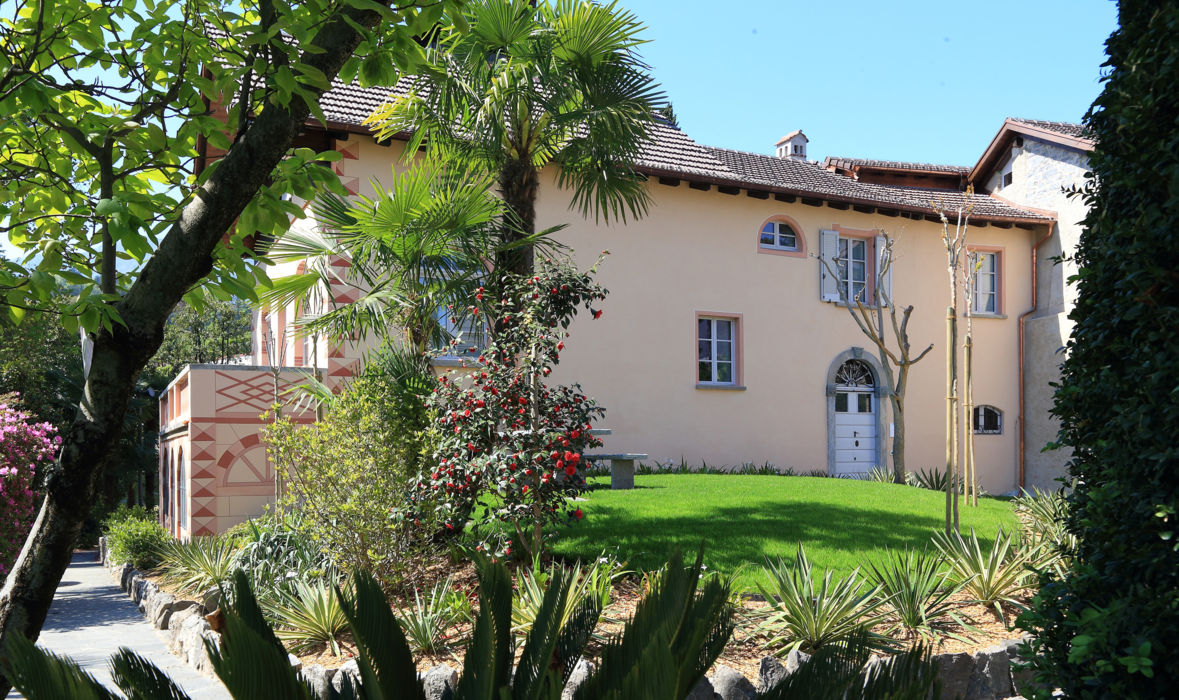
Ascona Museum of Modern Art
The Museo Comunale d'Arte Moderna di Ascona (Modern Art Museum of Ascona) exhibits works from those avant-garde artists who, fleeing from the horrors of World War I in Northern Europe, found refuge in the Locarno region, on the shores of Lake Maggiore.
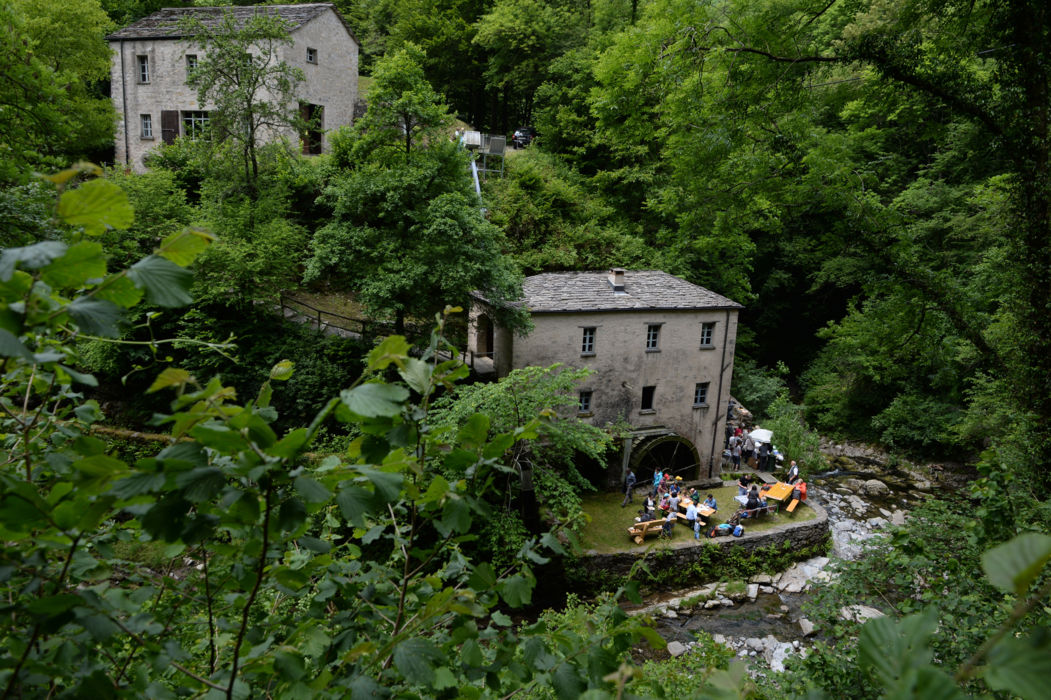
Ethnographic Museums
The history of Ticino's rural past is told through a network of twelve ethnographic museums, all places of learning providing information on the canton's past, establishing a link between the activities of the past and the evolution of modern society.
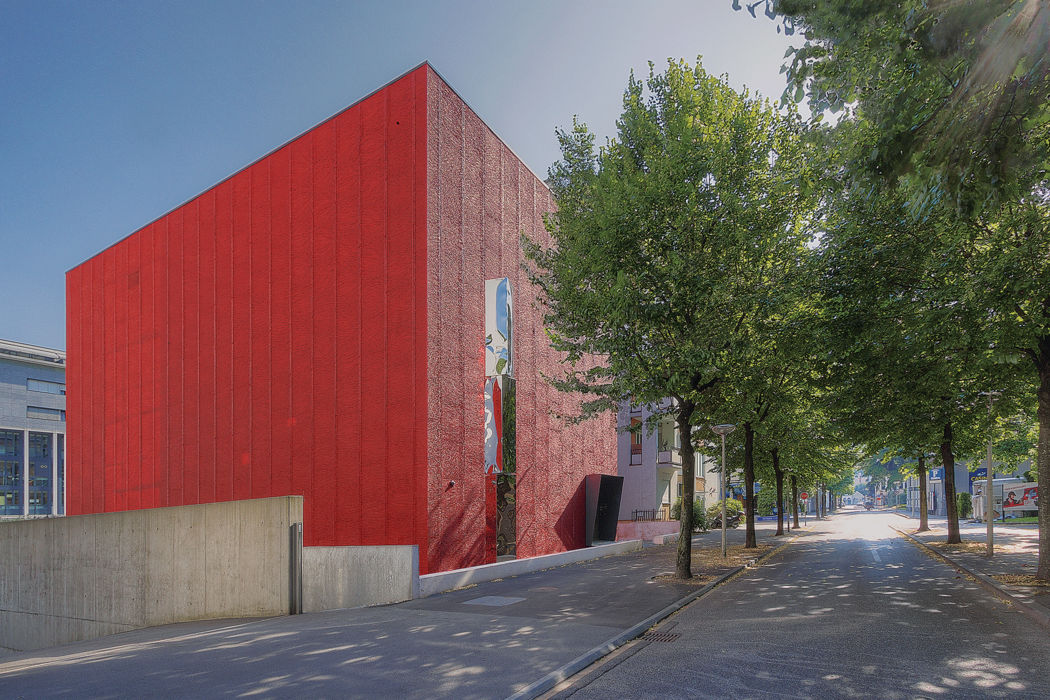
Fond. Ghisla Art Collection
Works Lucio Fontana, Piero Manzoni, Enrico Castellani, Alighiero Boetti, Keith Haring, Jean-Michel Basquiat, Christo & Jeanne Claude, Andy Warhol, Pablo Picasso, René Magritte, Joan Miró, Fernando Botero and many other protagonists of the contemporary art scene are displayed at the Ghisla Art Collection in Locarno.
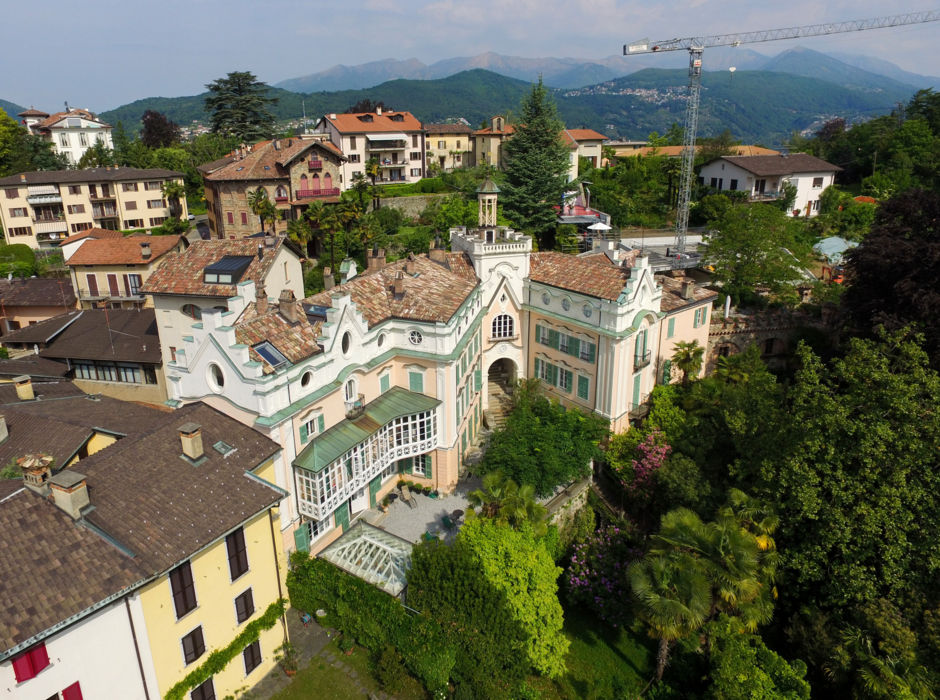
Hermann Hesse Museum
The little museum dedicated to the German writer Hermann Hesse in Montagnola is one of the most visited in Ticino.
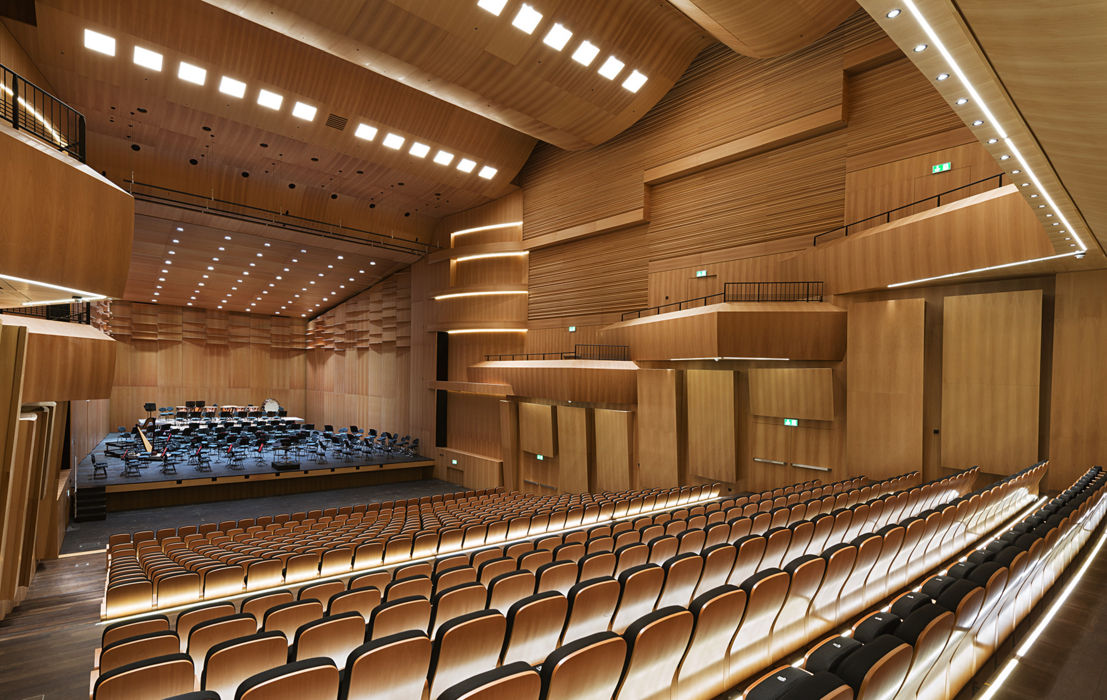
LAC Lugano Arte e Cultura
This modern cultural centre - which houses the MASI (Museum of Art of Italian Switzerland), with three exhibition floors hosting temporary exhibitions and part of the permanent collection - is devoted to visual art, as well as to music (with a 1000-seat concert hall) and the performing arts, serving as an important point of reference for the whole of Switzerland.
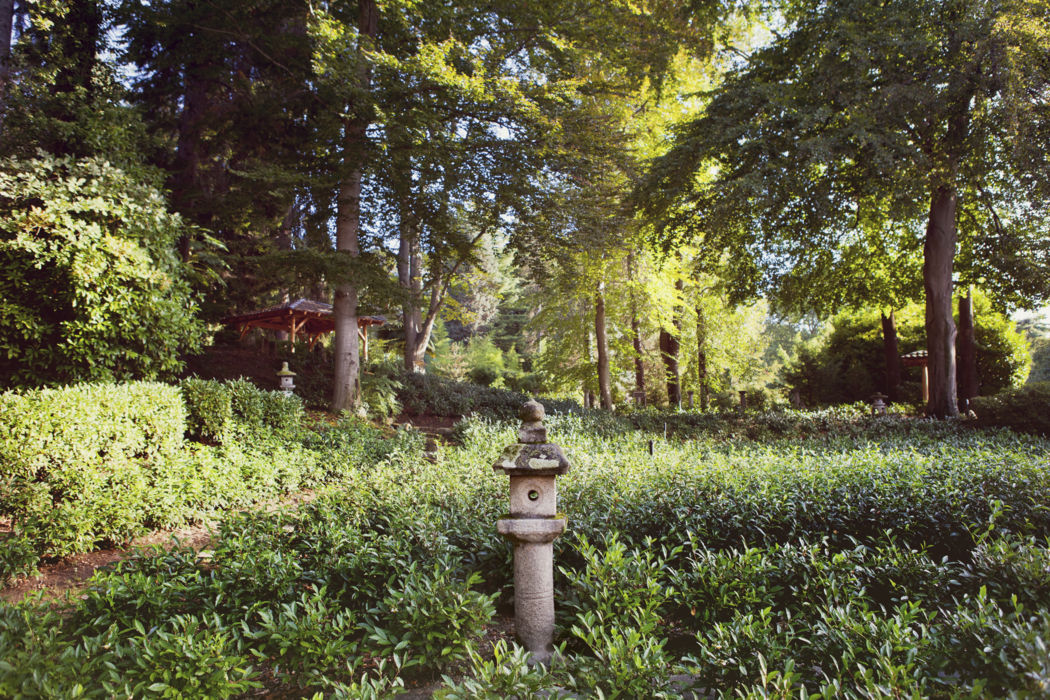
Monte Verità
This hill in Ascona boasts a storied past that began at the turn of the 20th Century when the Monte Verità (Hill of Truth) became the heart of a movement dedicated to spiritual search and life renewal, which involved intellectuals, academics and artists coming mainly from Northern Europe.
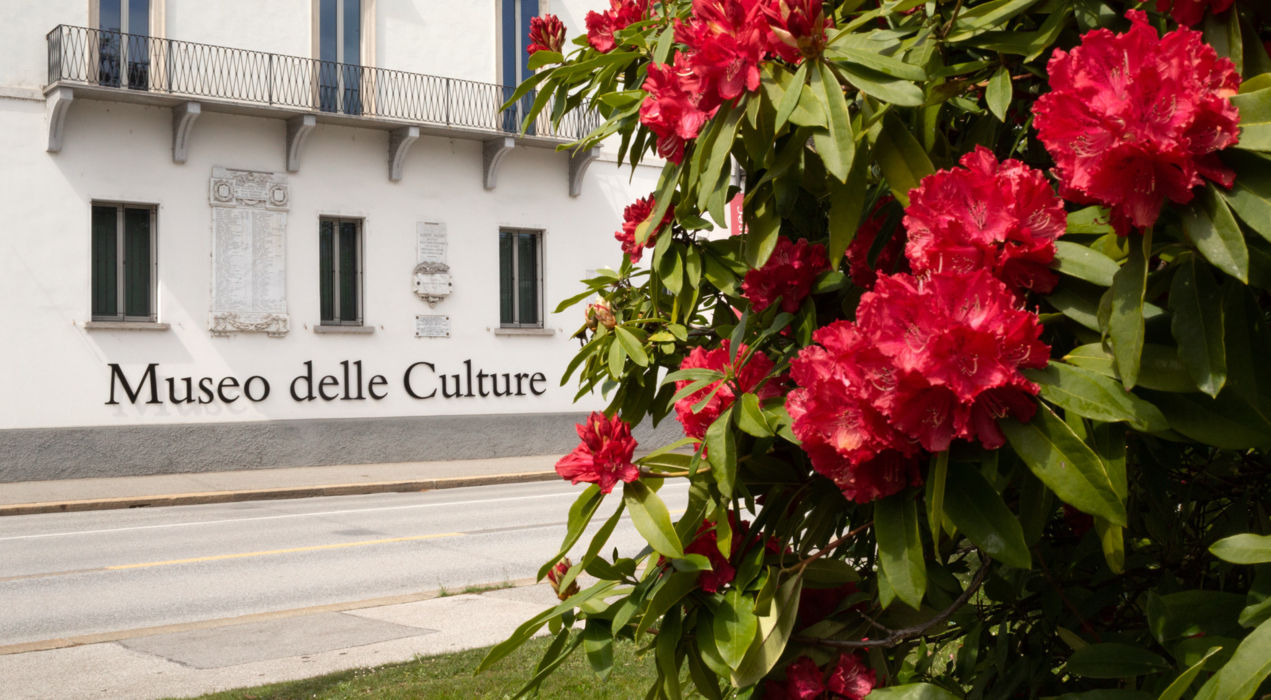
MUSEC
Located on the lakefront of Lugano, in the historic Villa Malpensata, the MUSEC (Museum of Cultures) offers a rich program of exhibitions and events dedicated to ethnic arts, oriental arts and modern themes related to the anthropology of art.
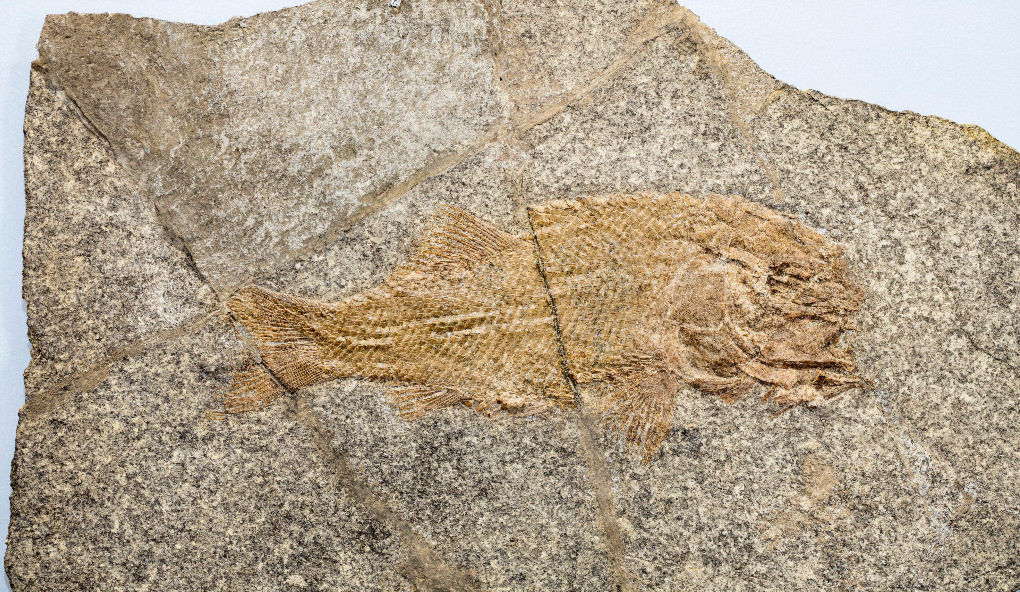
Museum of Fossils Monte San Giorgio
Discover the charm of a lost world of over 200 million years ago.
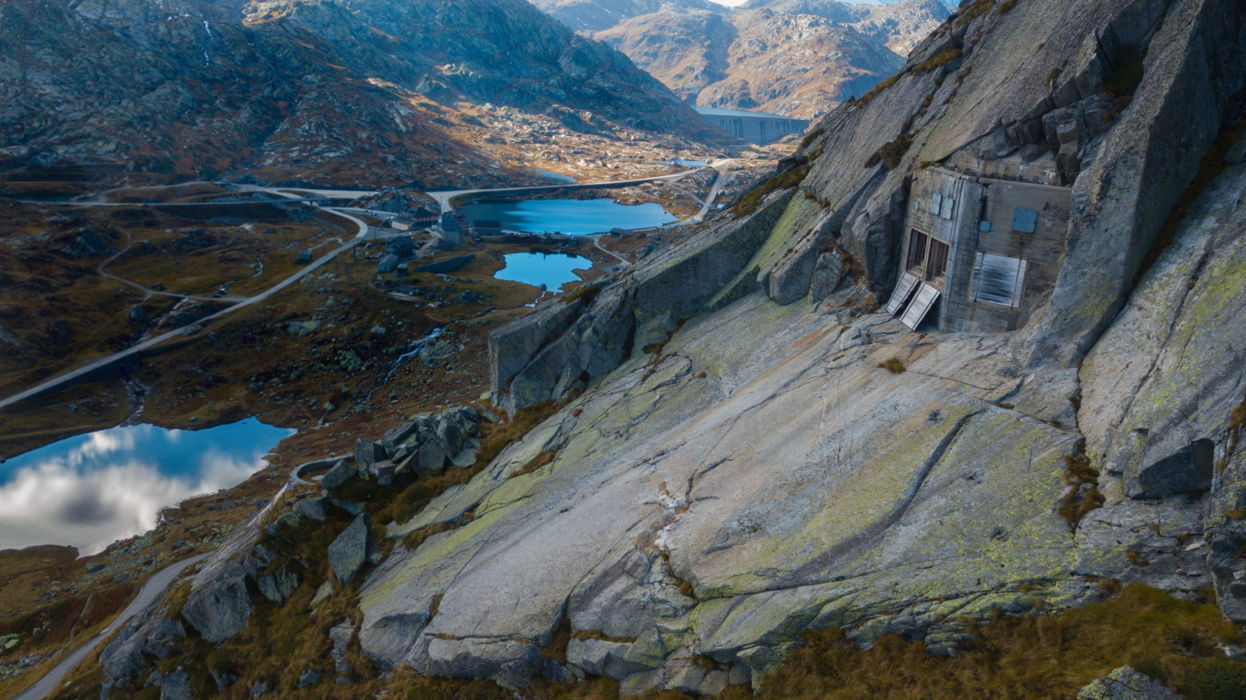
Sasso San Gottardo
Two museums in one and a once-in-a-lifetime experience that will allow you to walk through the heart of the Alps along kilometers of tunnels excavated during World War II.
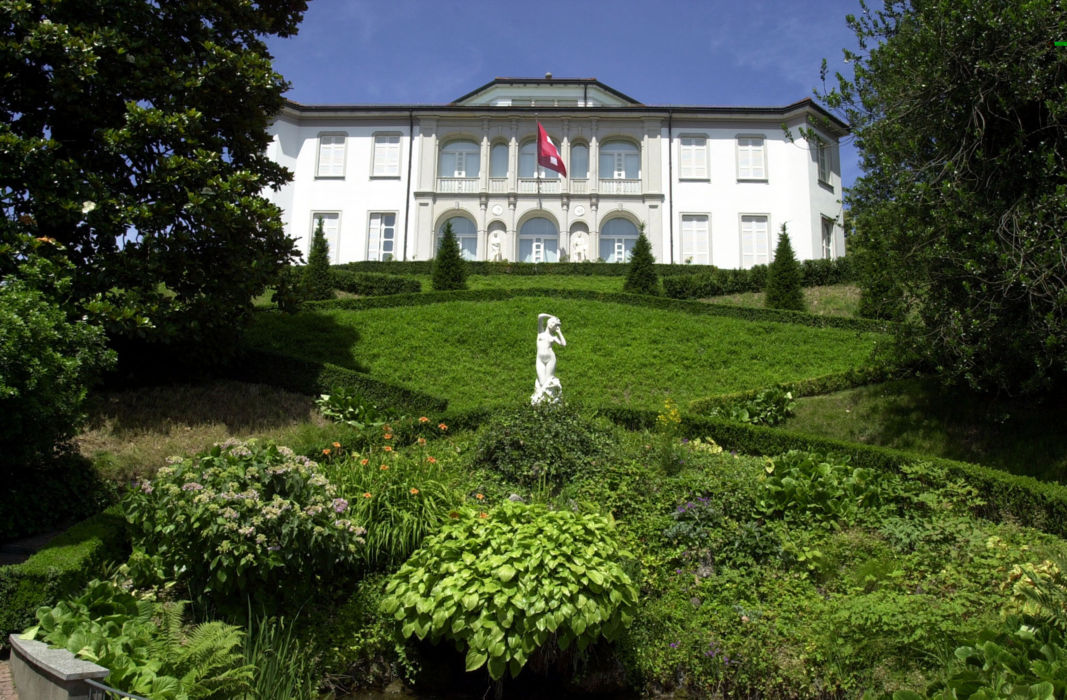
Vincenzo Vela Museum
The Vincenzo Vela Museum, that exposes the works of the Ticino sculptor, belongs to the group of the most important artist's houses of the European 1800s.