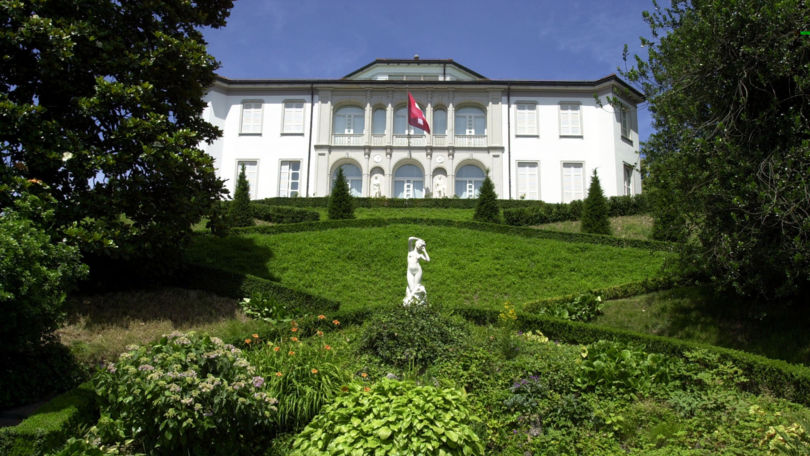
Step through the doors of the Vincenzo Vela Museum and enter one of Europe's most remarkable artist's homes, where the raw power of 19th-century realist sculpture still resonates through sunlit halls. Built by the great Ticino sculptor Vincenzo Vela (1820-1891) at the pinnacle of his career, this elegant villa in Ligornetto was later donated to the Swiss Confederation and transformed into a public museum. A masterful renovation by renowned Ticino architect Mario Botta between 1997 and 2001 breathed new life into the building, while traces of its original residential character and the sweeping panoramic park lend the estate the atmosphere of a total work of art.
The collections
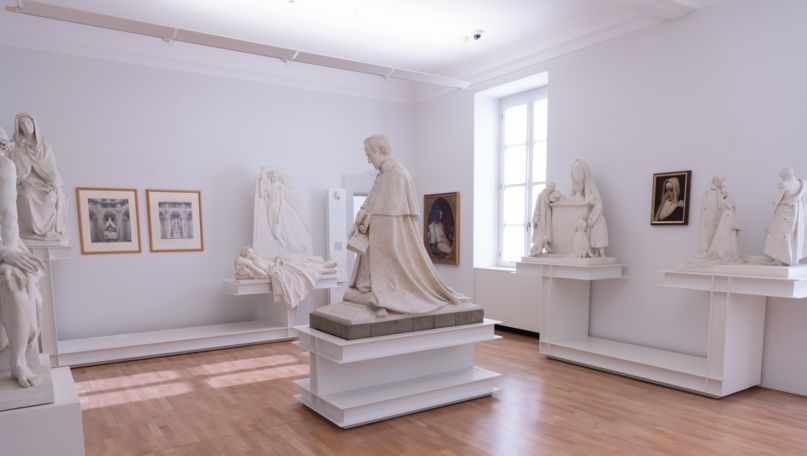
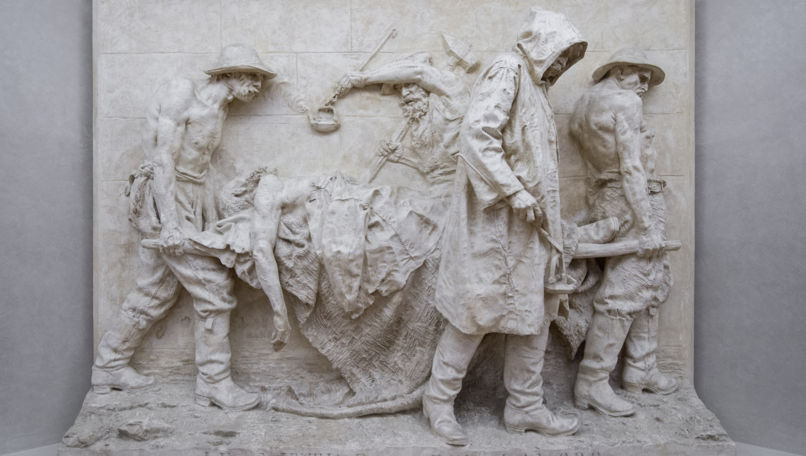
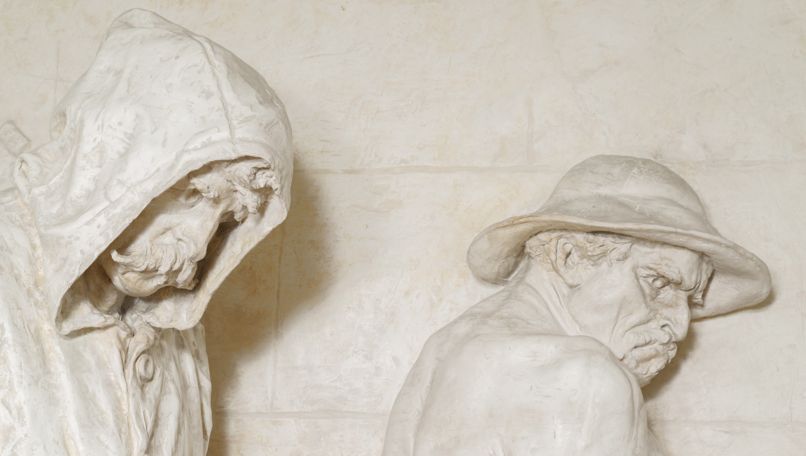
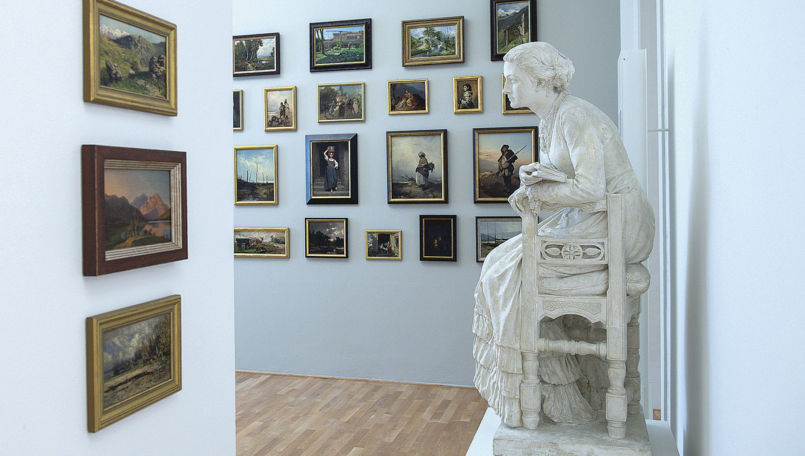
The museum's approximately 5,000 works tell the story of a man who was as fiercely devoted to the ideals of his era as he was to his craft. The centrepiece is Vela's extraordinary plaster casts gallery, where monumental original models of his most celebrated sculptures tower over visitors with striking presence and astonishing detail. Alongside these stand terracotta and plaster sketches that reveal the sculptor's creative process with remarkable fineness and completeness.
The collection extends well beyond sculpture. Over a thousand prints and drawings, many by Vela's own hand, line the walls, while a remarkable archive of some one thousand early photographs forms one of the oldest collections of Swiss photography. These intimate images offer a rare window into the artistic world of the 19th century.
Works by Lorenzo Vela, Vincenzo's brother and a distinguished ornamentalist and animal sculptor, include a graceful collection of plaster and terracotta pieces, particularly animals and allegorical figures. Painter Spartaco Vela, Vincenzo's son and the man who ultimately gifted the villa to the nation, is represented by numerous oil paintings alongside preparatory and academic sketches.
All three Vela artists were passionate collectors of contemporary art, cultivating friendships with fellow students and colleagues from the Academy. Together, their acquisitions form the largest collection of 19th-century Lombardy and Piedmont paintings held by the Swiss Confederation. The family library, with over 1,500 volumes, provides a fascinating starting point for studying the creative process behind many of Vincenzo Vela's greatest monuments.
The Velas
The story of the Vela family reads like a testament to the transformative power of talent and determination. The father, Giuseppe Vela (1780-1849), was a peasant; the mother, Teresa Casanova (1782-1866), ran a tavern. Like many young men from the Mendrisio region, brothers Lorenzo and Vincenzo began their lives working stone in the quarries of Bisazio, Viaggiu and Saltrio. Their exceptional gifts soon carried them to nearby Milan, where Ticino's youth found opportunities on the construction site of the Duomo and in the classrooms of the prestigious Brera Academy.
Despite their rising fame, the two sculptors never lost their bond with Ligornetto, demonstrating their devotion through generous gifts to the community. Lorenzo co-founded the Societa di Mutuo Soccorso (Mutual Aid Society) in 1889, while Spartaco, Vincenzo's only son and the last direct descendant of the family, honoured his father's wishes by bequeathing the villa and its collections to the Swiss Confederation as a museum and fine arts academy. The family's ardent liberal convictions won them commissions from the Italian Risorgimento and progressive circles in both Lombardy and Ticino, though these same beliefs drew bitter hostility from Ticino's conservative factions, who branded them anticlerical.
Traces of the Vela legacy are woven throughout Ligornetto, from commemorative tombstones to fountains designed and financed by the artists themselves. Most remarkable is Vincenzo Vela's grave in the village cemetery, a sculptor's final masterpiece depicting the artist recumbent in death. At his feet rests a trophy rich with Masonic symbolism and the distinctive attributes of his craft, a work of extraordinary refinement in both composition and iconographic depth.