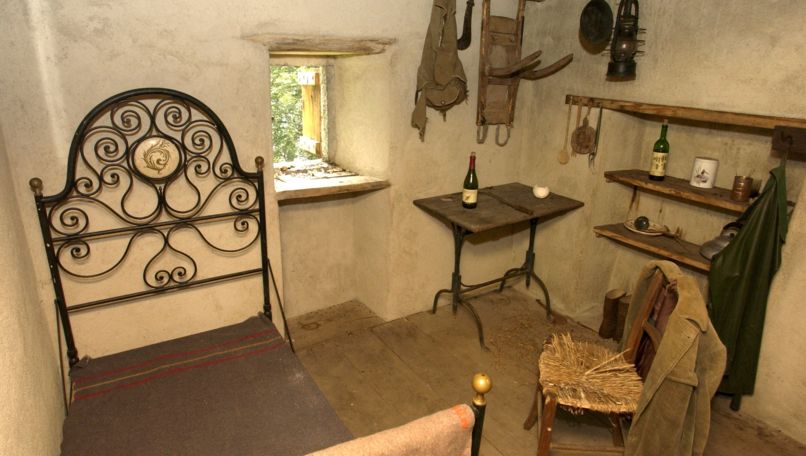
Behind Ticino's sun-drenched lakefronts and glamorous piazzas lies another, older story: one of stone-built villages clinging to steep hillsides, of shepherds moving their flocks with the seasons, of chestnut flour and mountain cheese, of centuries of ingenuity forged by the demands of a beautiful but unforgiving landscape. A network of twelve ethnographic museums scattered across the canton preserves this rich rural heritage, each one housed in a historic building and set in some of Ticino's most captivating valleys. These are places of learning that bridge past and present, revealing how the traditions and resourcefulness of earlier generations shaped the society we know today. Here are five of the finest, each situated in a location so scenic that the journey is as rewarding as the destination.
The Museum of Valmaggia
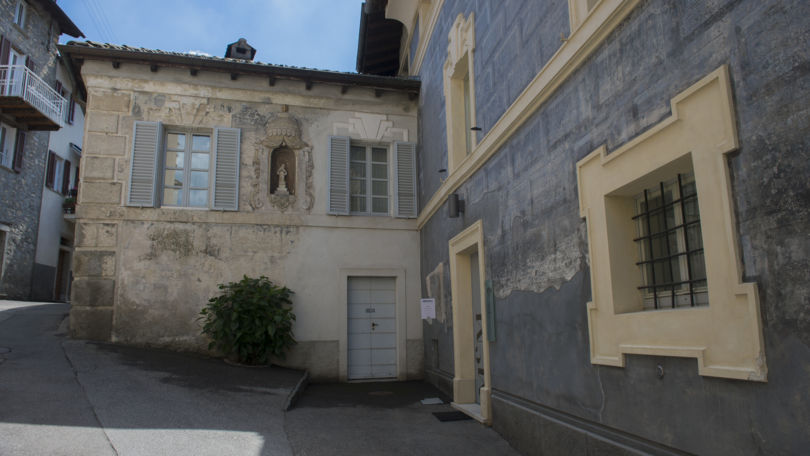
The Maggia Valley stretches across one-fifth of Ticino's territory, extending 50 km from Lake Maggiore to peaks rising above 3,000 metres. In this vast mountainous landscape threaded with side valleys, the forces of nature have always reigned supreme, and for thousands of years the people of Valmaggia wrested what living they could from the mountain's meagre resources. The Museum of Valmaggia in Cevio offers a fascinating window into this determined way of life, displaying the surprising heritage left by past inhabitants, vivid testimony to their daily ingenuity and resourcefulness. The museum occupies two exhibition spaces in the old Cevio quarter, a distinguished district of bourgeois houses built in the 1500s by the Franzoni families, who collaborated with the Landfogti (representatives of the confederate cantons governing Ticino as a protectorate) for over two centuries, wielding considerable political and economic influence. A visit here pairs beautifully with nearby attractions such as Bosco Gurin, the Church of Mogno and the Foroglio Waterfall.
Opening times: April, May, September, October Tuesday - Friday, 2 pm - 5 pm Saturday and Sunday, 2pm - 5pm June - August Tuesday - Friday, 2 pm - 6 pm Saturday and Sunday, 2pm - 6pm Tel. +41 (0)91754 23 68 www.museovalmaggia.ch[email protected]
Ethnographic Museum of the Muggio Valley
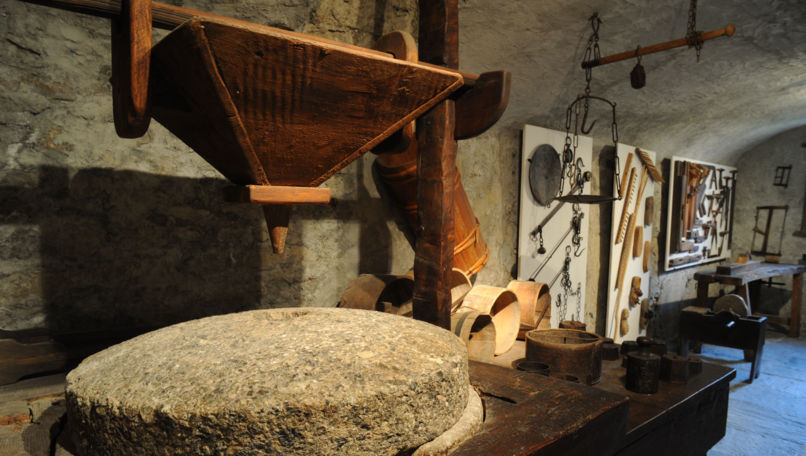
The Ethnographic Museum of the Valle Muggio, awarded Swiss Landscape of the Year in 2014, takes a refreshingly unconventional approach: rather than confining its exhibits to four walls, it invites visitors to explore the valley itself as a living museum. Scattered across the landscape are artefacts of remarkable ingenuity, including ice pits called "nevere" for preserving milk, snares known as "roccoli" for catching migrant birds, mills for grinding corn and chestnuts, and small stone buildings called "graa" used to dry chestnuts over smouldering fires. The museum's headquarters at Casa Cantoni in Cabbio serves as an information centre and starting point, equipping visitors with everything they need to discover this open-air treasury. A visit combines wonderfully with nearby attractions including the Historic Centre of Mendrisio, FoxTown and the Vincenzo Vela Museum.
Opening times: April - November Tuesday - Sunday, 2pm - 5pm Tel. +41 (0)91 690 20 38 www.mevm.ch[email protected]
The Museum of Val Verzasca
The Verzasca Valley is celebrated for its storybook villages, the crystalline emerald waters of its river and its pristine, unspoiled natural environment. From the Middle Ages until the mid-20th century, the valley's inhabitants survived on agriculture and sheep farming, practising a migratory herding tradition that required families, men, women and children alike, to relocate several times a year to make use of the valley's scattered resources and the lowland pastures of the Piano di Magadino. Housed in a typical Verzasca stone dwelling in Sonogno, the museum tells this evocative story with the aid of an interactive 3D model of the area that illuminates the changes in landscape and way of life over the centuries. A dedicated section explores the emigration of chimney sweepers, a trade closely woven into the valley's past. Combine your visit with other attractions in the region such as the Sentierone of the Verzasca Valley, Corippo and the Verzasca River.
Opening times: April - October Tuesday - Sunday, 11am - 4pm Tel. +41 (91) 746 17 77 www.museovalverzasca.ch[email protected]
The Onsernonese Museum
Green, wild, quiet and secluded, the Onsernone Valley has preserved an atmosphere so distinctive that it has long enchanted artists and writers. Max Frisch called it the "homeland of the soul". Set in an ancient building in the village of Loco, the Onsernonese Museum presents the history, nature and culture of this hidden valley, with a special focus on its once-thriving straw-making industry. Developed in the 16th century, straw braiding engaged the majority of the valley's population until the 19th century, and the craft lives on today at the Pagliarte atelier in Berzona, where artisans continue to weave straw into contemporary hats, bags and accessories. At the exit of the village of Loco stands an ancient water mill, still managed by the museum, once used to grind different types of polenta flour. Pair this visit with other nearby highlights including Salei, the Onsernone Valley trails and the Intragna-Loco mule path.
Opening times: April - June: Wednesday and Thursday / Saturday and Sunday, 2pm - 5pm July - October: Wednesday - Sunday, 2pm - 5pm Tel. +41 (0)91 797 10 70 www.museonsernonese.ch[email protected]
The Historic Museum of Blenio Valley
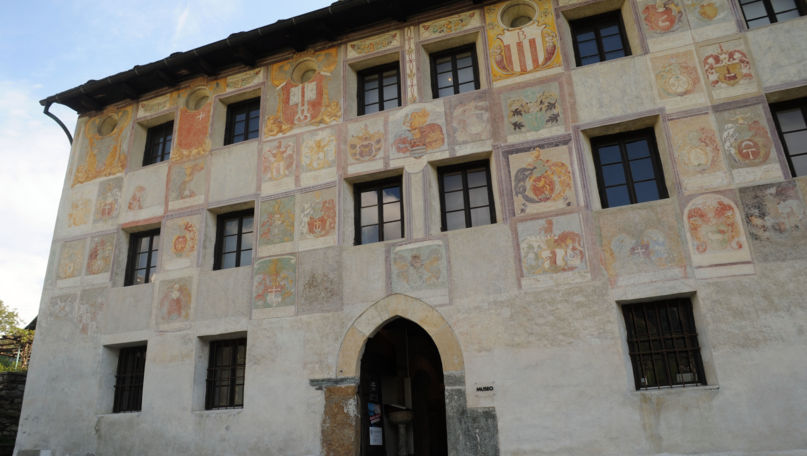
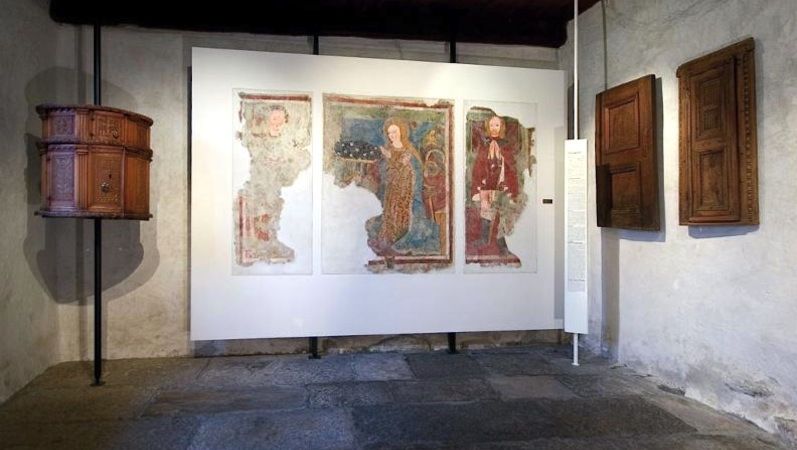
Nicknamed the "Sun Valley", the Blenio Valley stretches from Biasca to the Lukmanier Pass at 1,916 metres, encompassing a vast nature park laced with over 500 km of trails and a wealth of historical and cultural treasures. The museum occupies a monumental 15th-century mansion in Lottigna, its facade adorned with frescoed coats of arms of the Landfogti, the representatives of the three original Swiss cantons who governed the bailiwick of Blenio. Inside, the permanent exhibition unfolds thematically through rooms devoted to the agro-pastoral economy and traditional craftsmanship. One room showcases finely carved furniture produced by the artisans of the upper valley, while another features a reconstructed blacksmith's workshop and mill. Further highlights include the old arsenal, where images illustrate the art of viticulture, and a room dedicated to Mose Bertoni, a native of Blenio who, in 1893, founded "Guillermo Tell" in Paraguay, an agricultural and scientific colony known for its idealistic, vaguely anarchic-socialist vision. This tour pairs well with other regional attractions such as the Negrentino Church, the Historic Trail of Blenio Valley and the Pro Natura Lucomagno Centre.
Opening hours: April - October Tuesday - Sunday 2.00am - 5.30pm Tel: +41 (0)91 871 19 77 www.museovallediblenio.ch[email protected]
You might also like
Museums
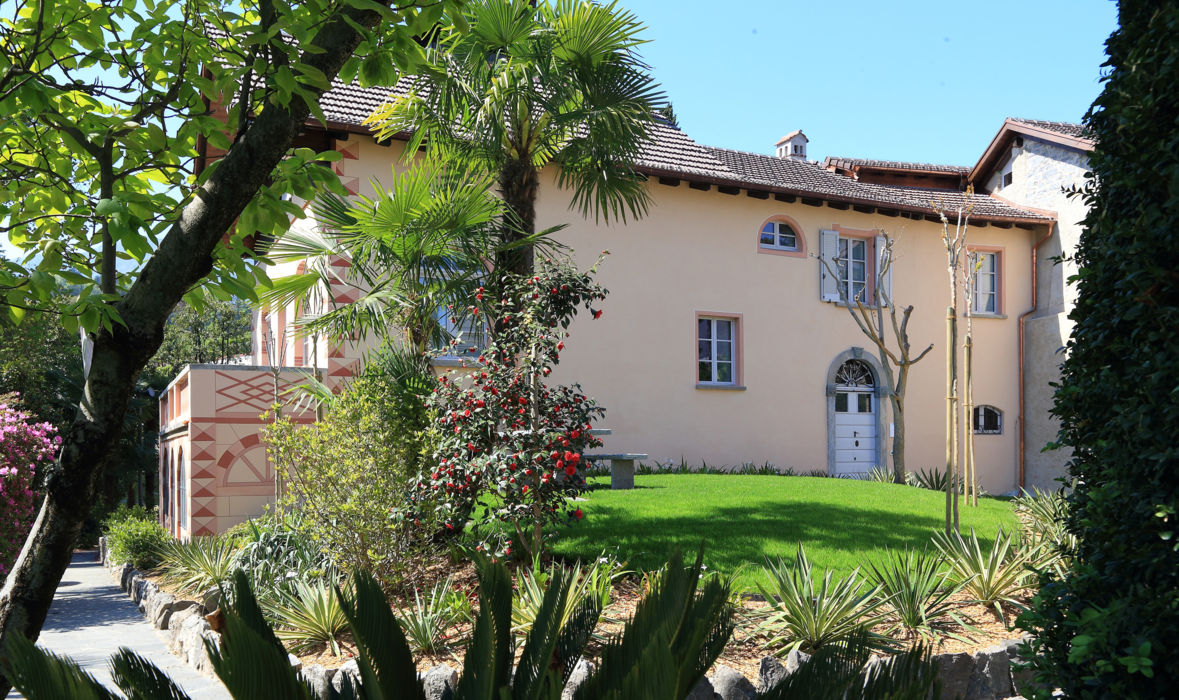
Ascona Museum of Modern Art
The Museo Comunale d'Arte Moderna di Ascona (Modern Art Museum of Ascona) exhibits works from those avant-garde artists who, fleeing from the horrors of World War I in Northern Europe, found refuge in the Locarno region, on the shores of Lake Maggiore.
Museums
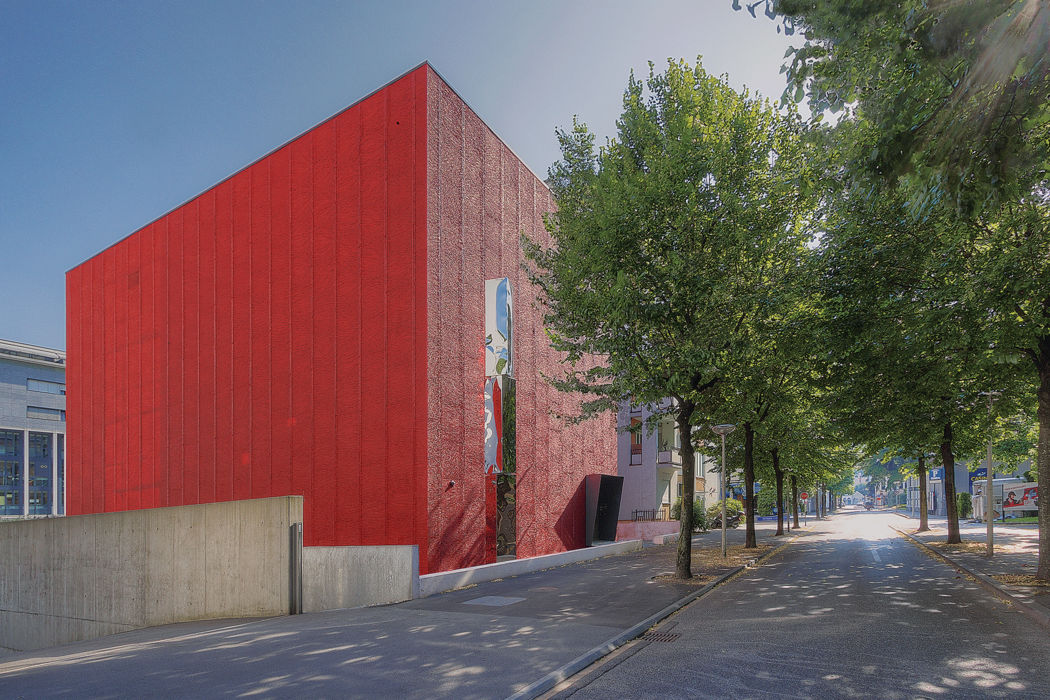
Fond. Ghisla Art Collection
Works Lucio Fontana, Piero Manzoni, Enrico Castellani, Alighiero Boetti, Keith Haring, Jean-Michel Basquiat, Christo & Jeanne Claude, Andy Warhol, Pablo Picasso, René Magritte, Joan Miró, Fernando Botero and many other protagonists of the contemporary art scene are displayed at the Ghisla Art Collection in Locarno.
Museums
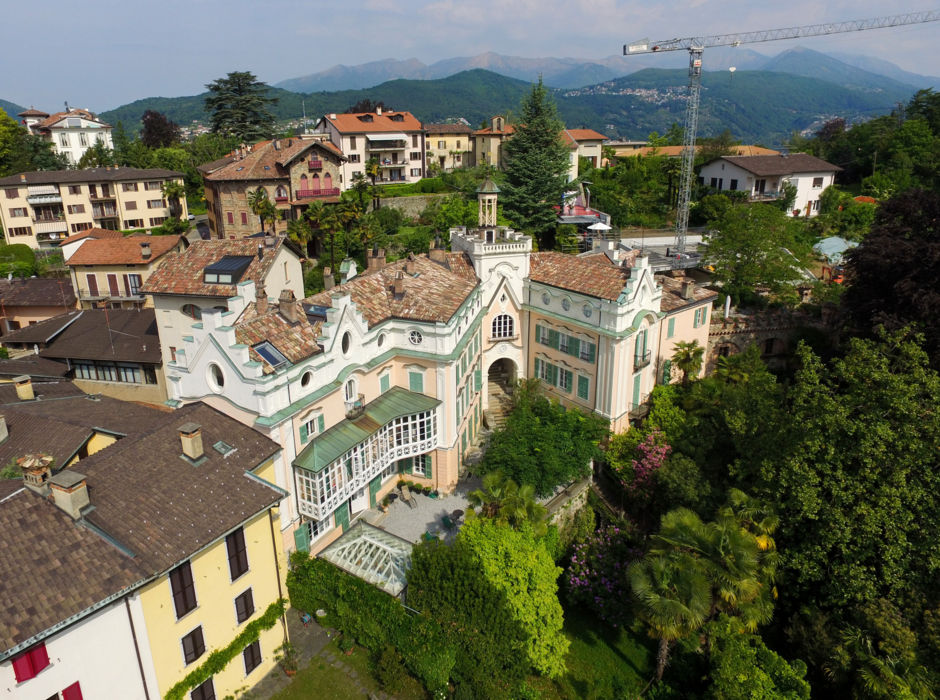
Hermann Hesse Museum
The little museum dedicated to the German writer Hermann Hesse in Montagnola is one of the most visited in Ticino.