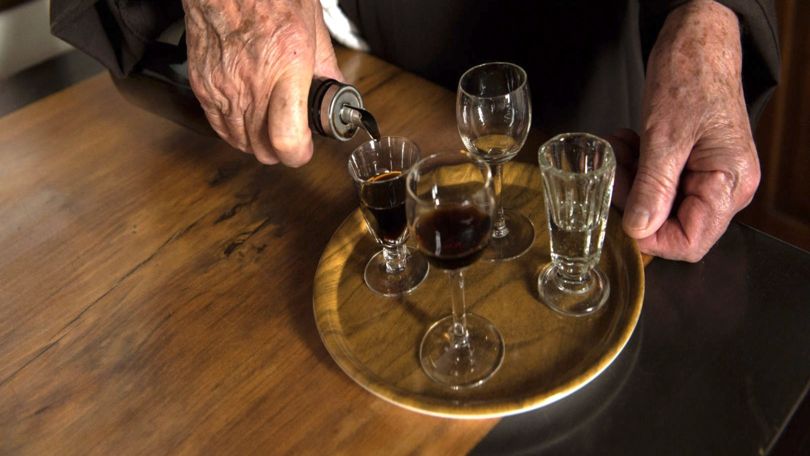
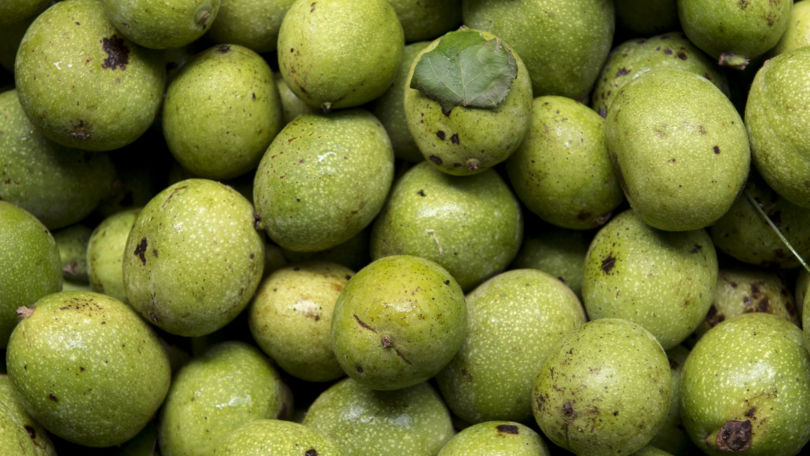
Picture a glass jar resting on a sun-drenched windowsill, its contents slowly deepening from mossy green to a lustrous mahogany brown over forty days of patient alchemy. This is the birth of Nocino -- one of Ticino's most beguiling liqueurs, a fragrant digestive crafted from green walnuts, good grappa, sugar, aromatic spices and generous sunshine. Legend holds that the original recipe is safeguarded within the stone walls of ancient monasteries, yet across Ticino, countless households have their own cherished version, handed down through generations. Today, many wineries also produce Nocino, and it is customarily offered at the end of a fine meal in grottos and restaurants throughout the region.
The Walnut, an important tree
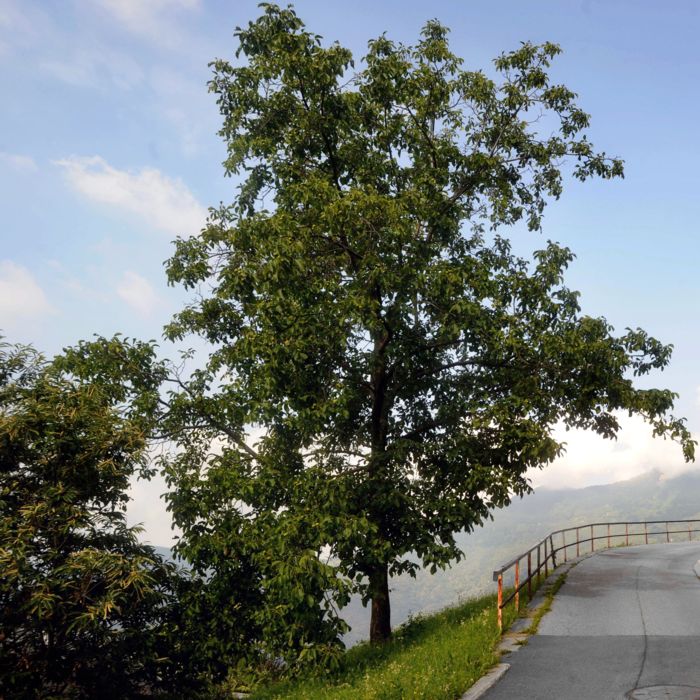
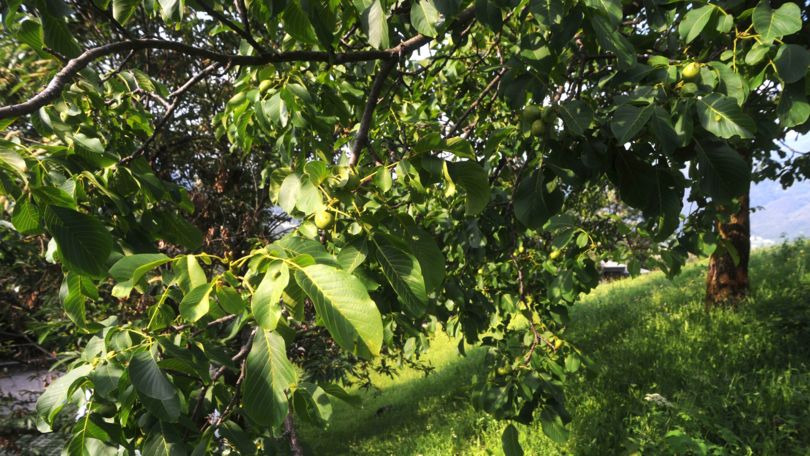
In Italian Switzerland, the walnut has long been a prized, widely planted tree that grows rapidly and can thrive up to roughly 1,200 metres in altitude. In centuries past it was considered a precious commodity, and every part of it found a use. The nuts, harvested in October, were eaten fresh or pressed to obtain cooking oil and fuel for illuminating homes and churches. The handsome, richly grained wood served as both a heat source and a valued building material.
St. John's Digestive
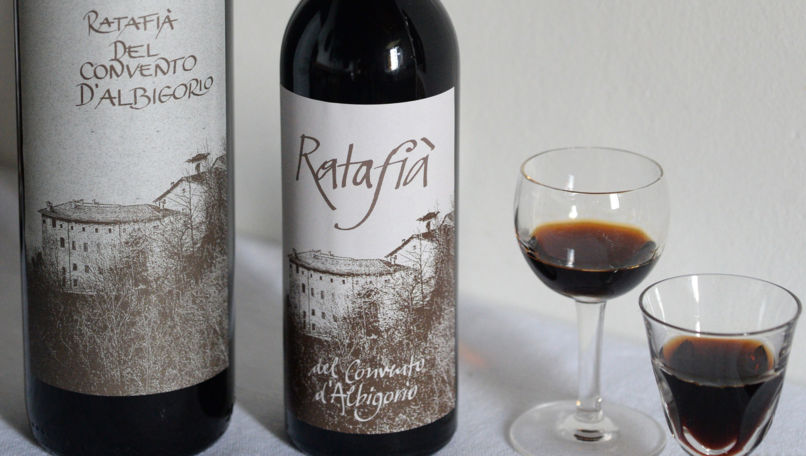
Nocino is a dense, aromatic liqueur of deep brown colour, obtained by macerating green walnuts in grappa with sugar and spices. It also goes by the name ratafia -- a word rooted in the monastic tradition of sealing an agreement with a glass of the liqueur and the Latin phrase rata fiat ("let it be ratified").
In Italian Switzerland, the custom of brewing a walnut-based liqueur appears to have originated at the Capuchin Friars' convent of Bigorio in Capriasca, where it has been prepared for well over a century according to a closely guarded recipe. The practice spread to other Ticino convents, where it became customary to offer visiting guests a small, restorative glass of ratafia. The walnuts were often gathered by friars during their traditional alms-collecting journeys across the canton.
The local population soon embraced the tradition, and to this day, many Ticinese households prepare Nocino from recipes passed down family to family. In recent decades, numerous wineries have joined in, producing a liqueur that is served in grottos and restaurants -- either to close a meal or drizzled over vanilla or walnut ice cream.
The walnuts destined for Nocino must be harvested while still green, before a woody hull has formed (easily checked with a needle). According to tradition, the ideal moment is St. John's Day, June 24th, preferably under the cover of night. In practice, the timing may shift with the season.
The Recipe
Countless variations exist, differing in dosage and method. Here is one of the most traditional:
1 litre of grappa 8-10 green walnuts 500 g sugar (or less for a more bitter digestive) Spices (cloves, vanilla, cinnamon, nutmeg, ...)
Quarter the green walnuts and place them in a large, transparent glass jar with a wide mouth and rubber seal (the kind used for preserves). Add the grappa, sugar and spices. Seal the jar and set it in full sunlight for 40 days, stirring the contents daily to help the sugar dissolve. Once ready, filter the liqueur, bottle it and leave it to age for at least one year. The patience is well rewarded: each sip deepens in complexity, warmth and character.
You might also like
Specialties
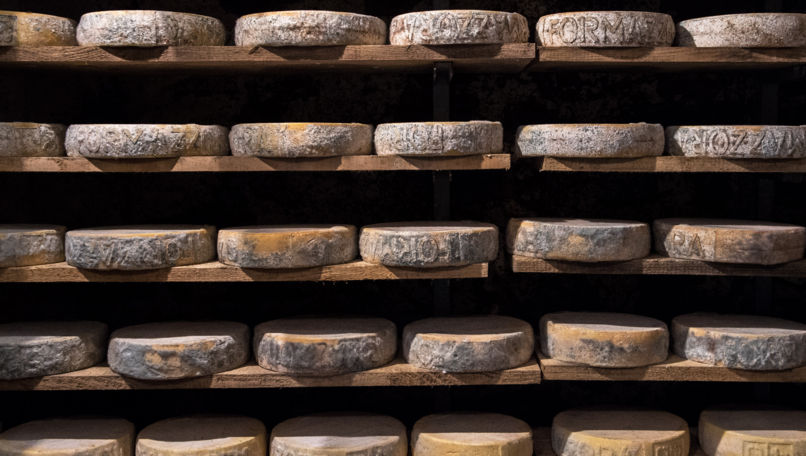
Cheese
From the poor role of polenta-garnish in traditional dishes of yesteryear, Ticino's cheese has become a delicacy served in luxurious restaurants with audacious garnishes like honey, candied fruit condiments, sweet or straw wines.
Specialties
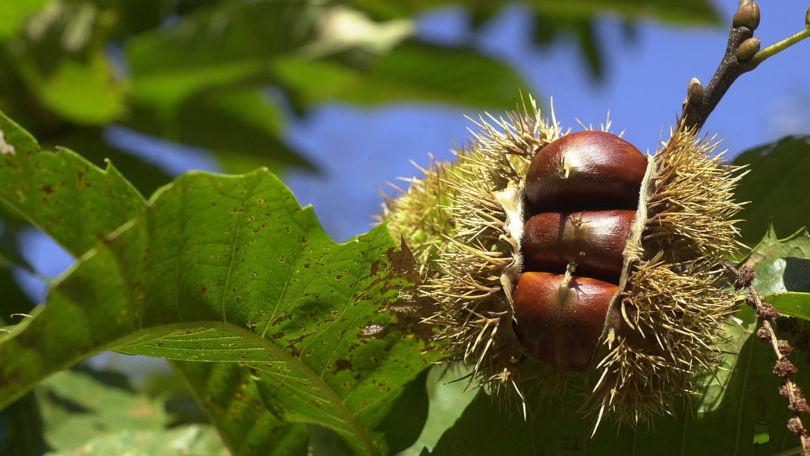
Chestnuts
In Ticino, for centuries, chestnuts were an important staple food for peasants.
Specialties
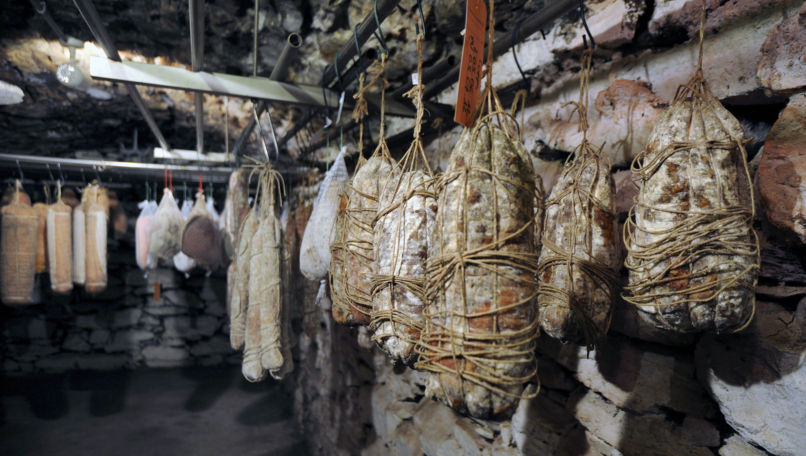
Cured meats
One of Ticino's most deep-rooted traditions is the "mazza" (the processing of pork, but also goat's meat and beef), a tradition that used to bring together families and village communities.