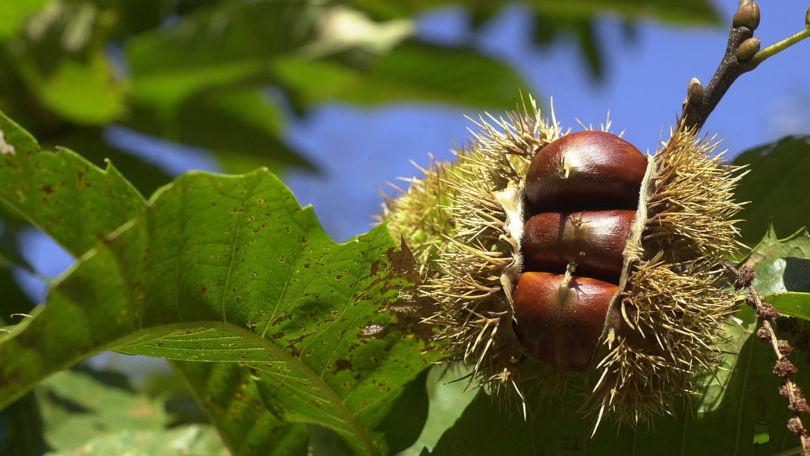
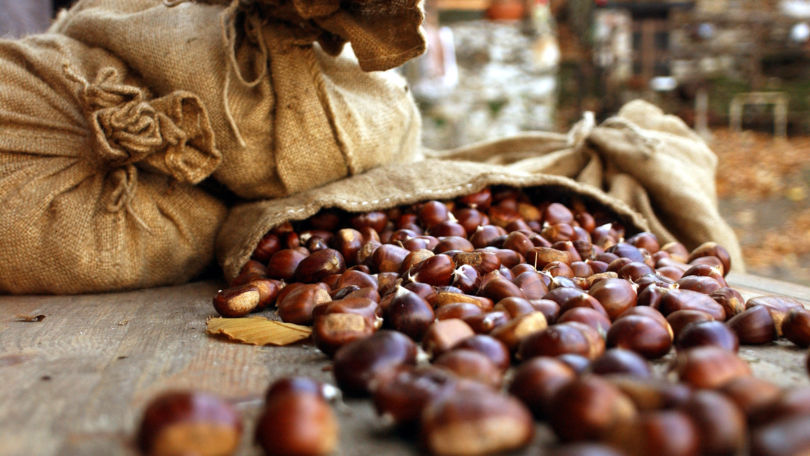
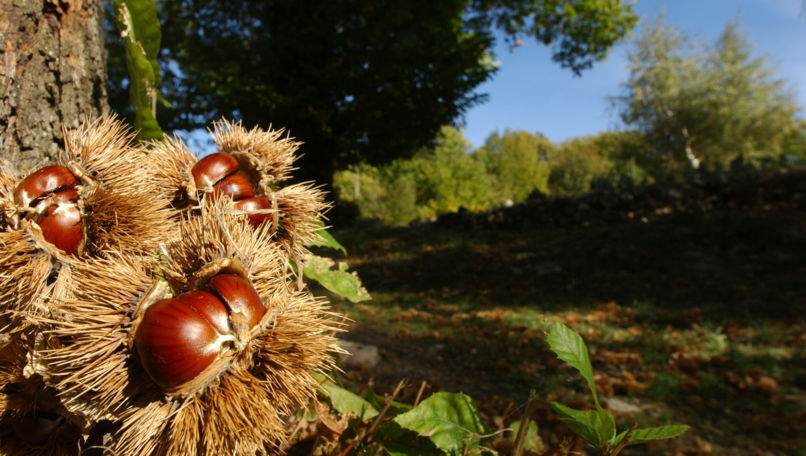
When autumn paints Ticino's hillsides in copper and gold, the forest floor tells a different story -- one written in glossy, mahogany-brown chestnuts splitting free from their spiny husks. For centuries, the chestnut was the lifeblood of Ticino's peasant communities: the harvest drew entire villages together in a shared ritual of gathering, roasting and drying that guaranteed sustenance through the long winter months. Today the chestnut plays a more modest role at the table, but its cultural legacy is being passionately rediscovered -- from restored woodland trails and inventoried monumental trees to inventive new gastronomic creations.
Chestnuts in Ticino's peasant world
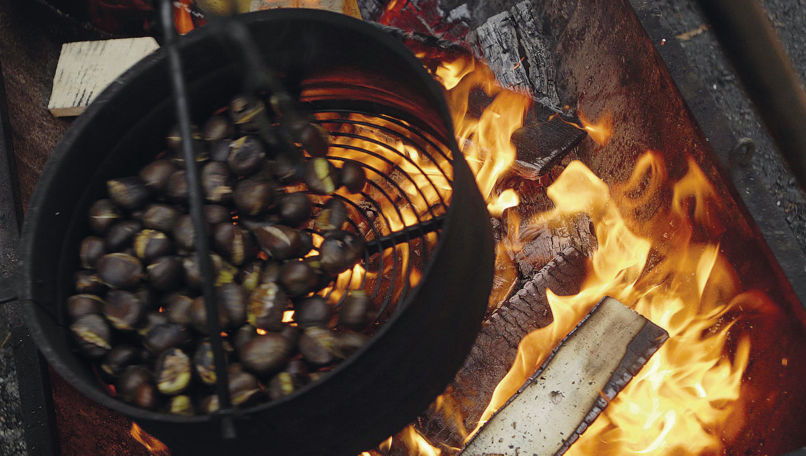
In the rural Ticino of centuries past, chestnuts were consumed up to twice a day, especially during winter. After the late-autumn harvest, they were eaten boiled or roasted over an open fire. A large portion was dried in a dedicated room called the metato (also known as gra or graa) so they would keep for months, or milled into flour. Capable of thriving at altitudes up to 1,000 metres in sunny positions, the chestnut tree wasted nothing: dried leaves served as bedding in cattlesheds, the dense wood was prized as fuel and building material (for pillars, furniture and tools), and the fruit itself functioned as an emergency food reserve.
Chestnut forests were considered such a precious resource that their management was governed by strict communal and patrician regulations. Different species were planted to yield nuts with specific qualities -- some sweeter, others better suited for preservation.
The maronatt, itinerant merchants who sold roasted chestnuts on the city streets of Italy and France during winter, typically began their journeys from Ticino.
The chestnut today
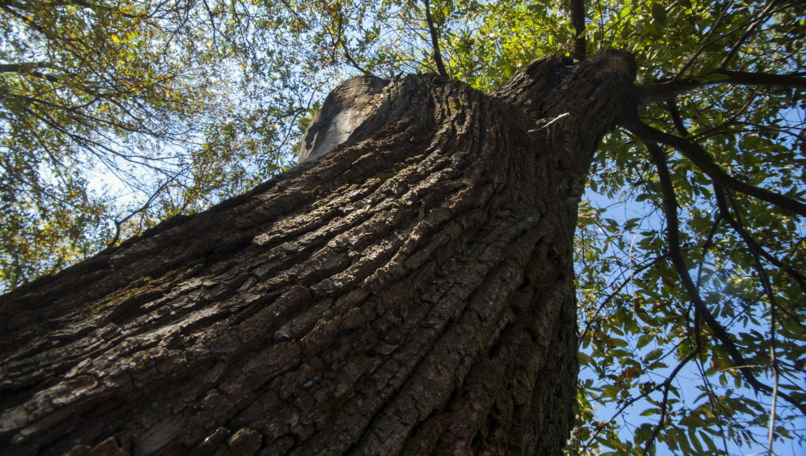
The sweeping socio-economic changes of the past century -- the gradual abandonment of agropastoral life and the depopulation of the valleys -- have fundamentally altered the chestnut's role. Once known as the "bread tree" for its importance, it is now being reappraised as a keystone of peasant culture and an invaluable piece of local heritage. In 1999, the Association of Swiss Italian Chestnut Farmers (Associazione dei castanicoltori della Svizzera Italiana) was founded to raise awareness about the history, cultivation, consumption and trade of the chestnut, and to organise harvesting efforts. Monumental trees are being inventoried, and several neglected chestnut woods are undergoing careful recovery.
Scenic itineraries have been created, including the "Sentiero del Castagno" (Chestnut Trail) in Malcantone and the "Sentee da l'albur" in the Mendrisio area. Each autumn, the chestnut takes centre stage at gastronomic festivals, while artisan producers develop enticing new products -- chestnut beer, flakes, marrons glaces, tagliatelle, flour, liqueurs and honey. Visitors and locals gather in October and November for traditional chestnut festivals held in the squares of Ascona, the Muggio Valley and other towns.
The loading of the "gra"
In late autumn, several communes invite visitors to participate in the loading of the gra. Inside a building purpose-built for this tradition, chestnuts are placed on a lattice beneath which a fire is kindled and carefully fed for several weeks, allowing the fruit to dry slowly and ensuring long preservation. This atmospheric ritual is kept alive in the Maggia Valley (Moghegno), the Muggio Valley (Cabbio) and in Malcantone (Vezio).
Itinerary: The "Chestnut Trail" in Malcantone (5h, see map)
This thematic trail through the chestnut woods of Alto Malcantone connects the villages of Arosio, Mugena, Vezio, Fescoggia and Breno at an altitude of roughly 700-850 metres. Extending some 15 kilometres, the route presents no major difficulties and takes approximately 5 hours to hike, though it can easily be shortened. Open year-round and accessible from each village, the trail rewards walkers with glorious natural scenery and the distinctive architecture of Malcantone's villages. Educational panels along the way reveal fascinating details about the many chestnut species and their cultivation.
Noteworthy stops include the Church of San Michele in Arosio (with its 17th-century sundial and 16th-century frescos by Antonio da Tradate), a gra between Mugena and Vezio, and the traces of a carbonaia (charcoal burner). For further information see the Lugano Region website (Download PDF).
Info: Tourist Office LuganoRegion, Piazza Lago, Caslano Tel. +41 58 220 65 01 www.luganoregion.ch - [email protected]
Hiking through chestnuts woods
Other areas offering delightful hikes through chestnut woods include the hill above Biasca (a trail leading to the Santa Petronilla waterfall), the Monte Carasso hill (Curzutt), the Muggio Valley ("Sentee da l'albur" between Morbio Superiore, Caneggio and Bruzella) and Capriasca ("Parco del Castagno" in Ponte Capriasca and its surroundings).
You might also like
Specialties
Cheese
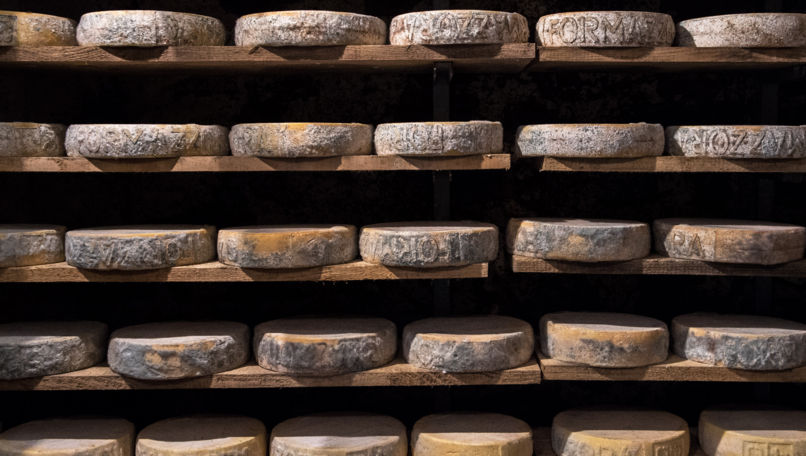
From the poor role of polenta-garnish in traditional dishes of yesteryear, Ticino's cheese has become a delicacy served in luxurious restaurants with audacious garnishes like honey, candied fruit condiments, sweet or straw wines.
Specialties
Cured meats
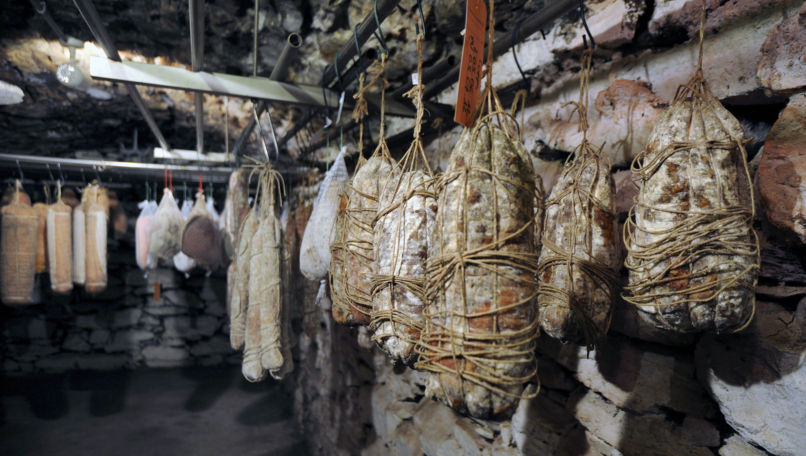
One of Ticino's most deep-rooted traditions is the "mazza" (the processing of pork, but also goat's meat and beef), a tradition that used to bring together families and village communities.
Specialties
Farina Bóna
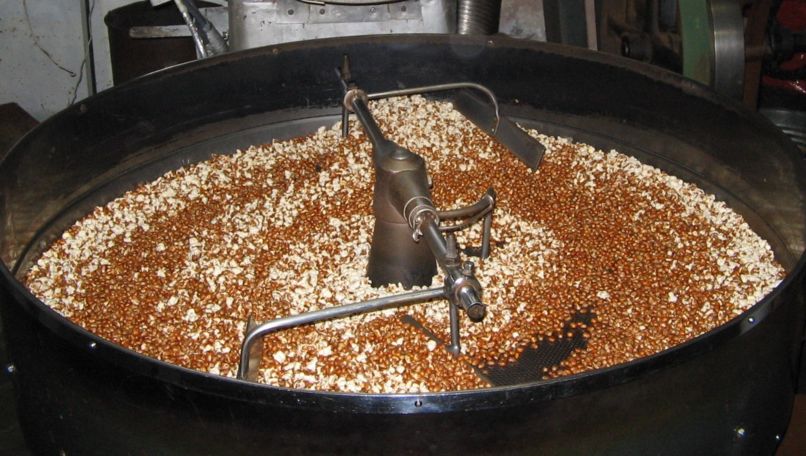
The "farina bóna" (flour) is a traditional product of the Onsernone Valley.