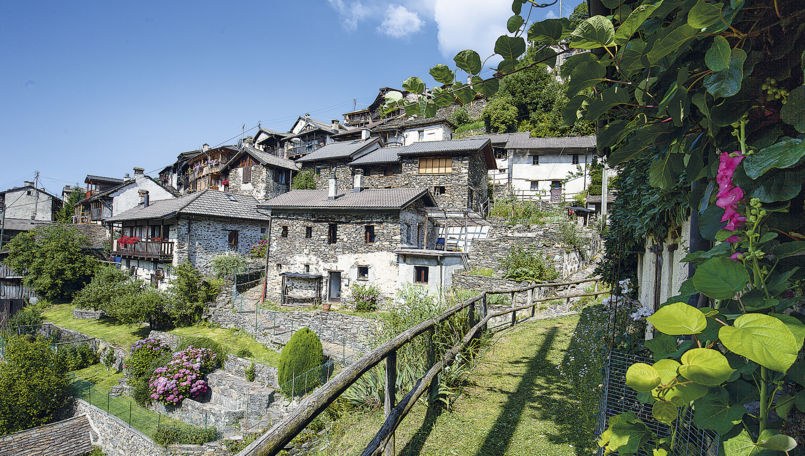
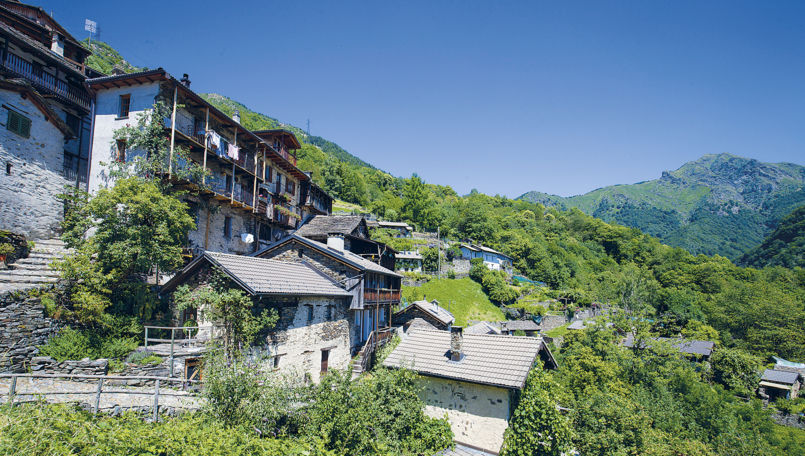
Tucked away at the edge of the world, Indemini is a village that time forgot -- and that is precisely its magic. "This village, which is half-empty for three-quarters of the year, transforms itself into a sort of living museum in the touristy summer months and has preserved itself over the centuries despite the incessant remaking and restoring," wrote Virgilio Gilardoni, one of Ticino's greatest art historians, in the 1960s. "One can see that its residents were skilled masons and builders (and as such were seasonal emigrants in Italy and later in other Swiss Cantons) in addition to being farmers. This is what makes Indemini fascinating." His words ring as true today as ever. Indemini stands as an extraordinary example of popular architecture, a place where every stone speaks of craftsmanship and quiet determination.
The visit
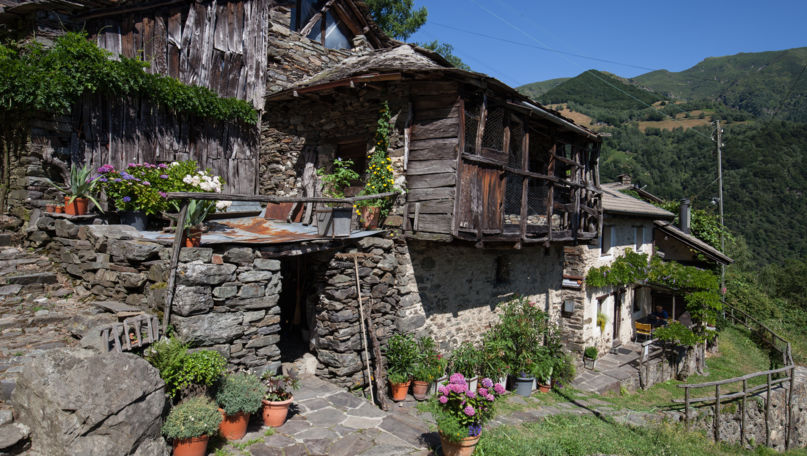
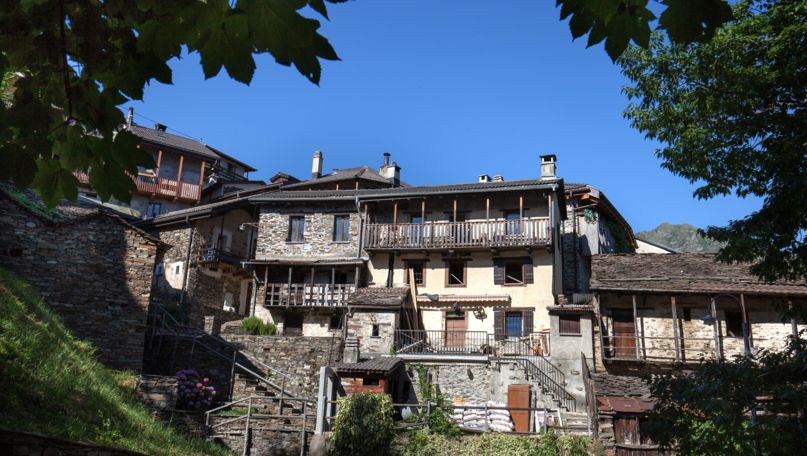
"The intelligence of the hands of Indemini's masons," Gilardoni writes, "is apparent in the rounded corners of the homes, in the alleys' cobblestones, in the art of the roof connectors, in the beauty of the walls which gently bend into a smoothened angle marking the alleys by creating volume and perspectives of a unique beauty."
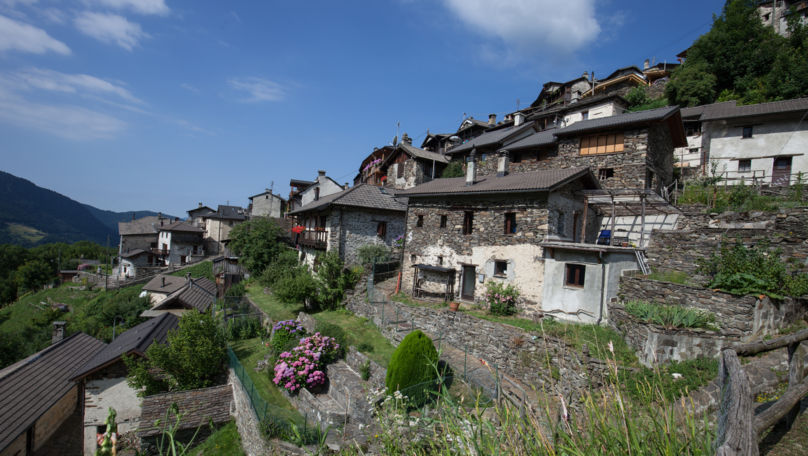
Step into the heart of the village and you are immediately drawn into a labyrinth of impossibly narrow alleys, intersecting and doubling back until even the smallest settlement becomes a maze. The centre is so tightly woven that Gilardoni dubbed it a "village-fort." Oriented to the south, the houses drink in the sunlight while the crown of surrounding mountains and the Neggia Pass shield the settlement from the often violent northern gusts.
Indemini is a place of magnificent isolation. Standing here, you cannot help but wonder what drove the first settlers to make their home in so formidable a location -- hemmed in to the south by sheer cliffs along the Italian border, cut off to the north by an imposing mountain chain. Before the road was built in 1917, the only way to reach Gambarogno was over the mountains. The connection with the Veddasca Valley in Italy came even later, in 1966. It is precisely this seclusion, this remoteness from every direction, that spared Indemini from the reckless construction wave of the 1960s. Wander its lanes today and you will feel it unmistakably: here, time has simply stood still.