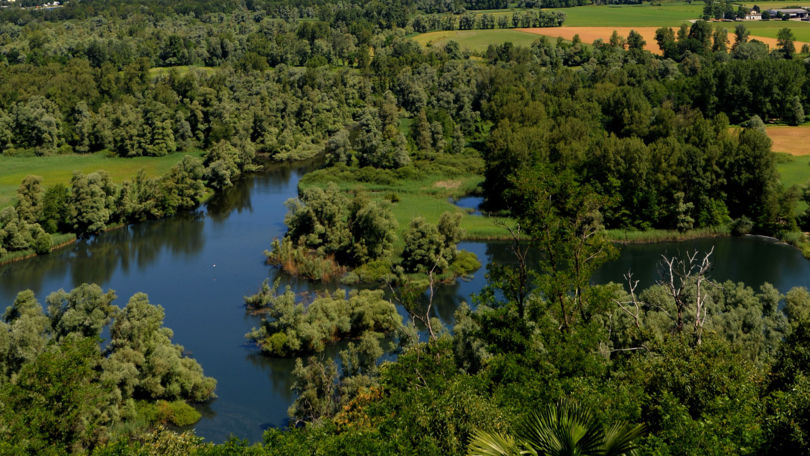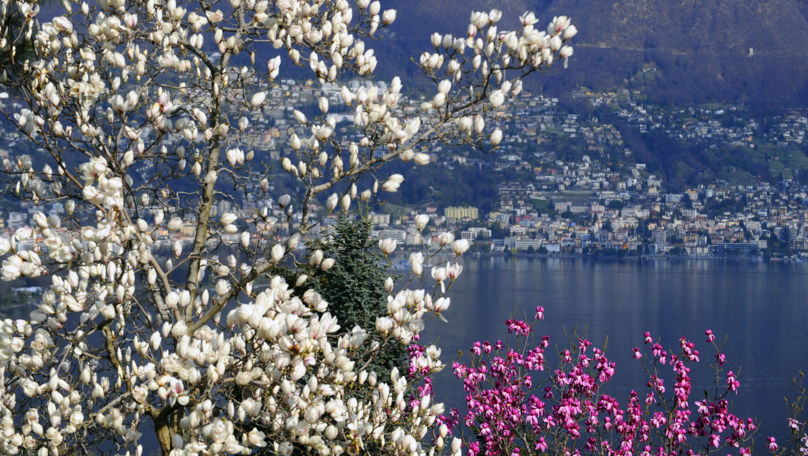
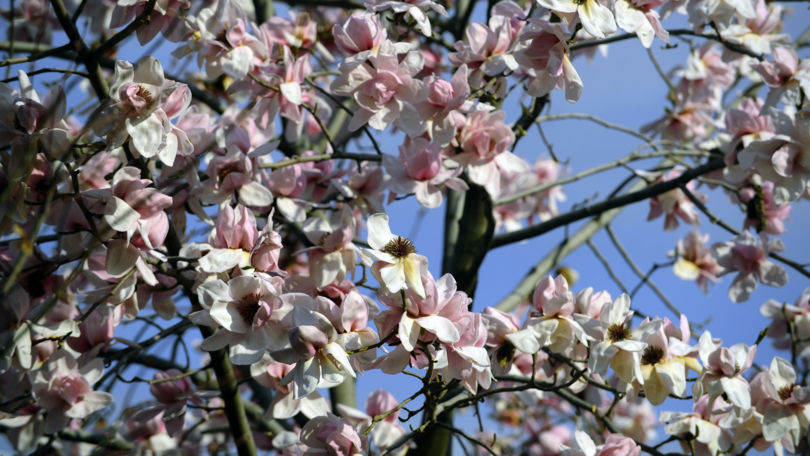
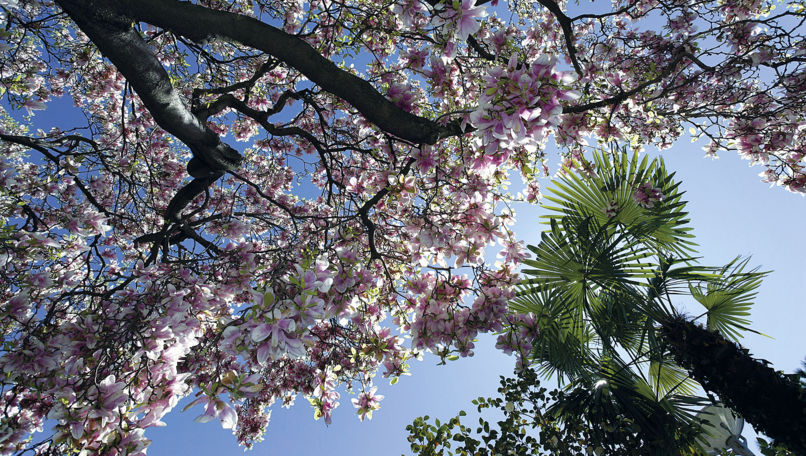
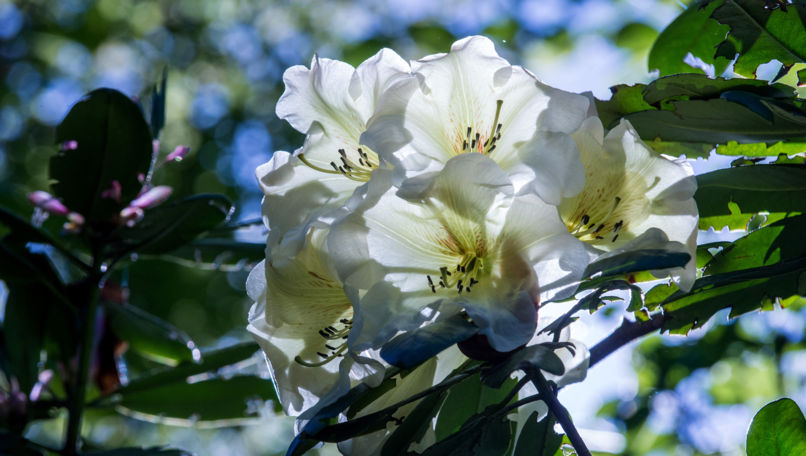
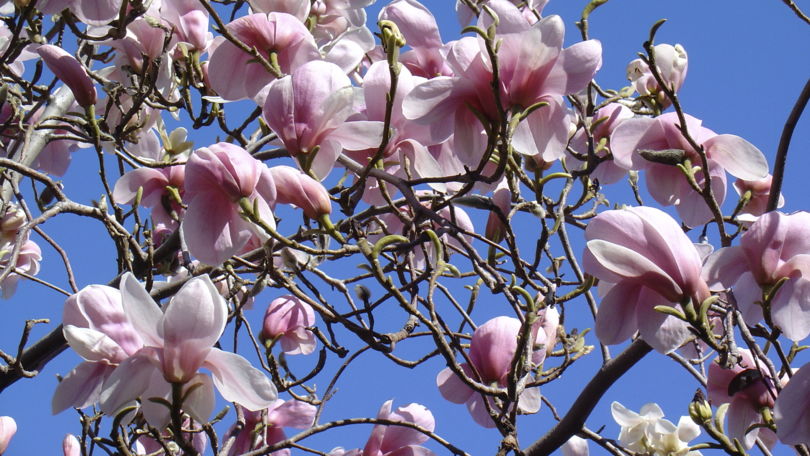
When spring arrives on the shores of Lake Maggiore, the hillside above Vairano-San Nazzaro erupts into a breathtaking tapestry of colour. The Botanical Park Gambarogno is home to one of Europe's richest collections of camellias and magnolias -- 950 camellia varieties and 450 magnolia varieties flourishing together thanks to the park's ideal hillside position, its acidic soil, and the mild lakeside climate. Azaleas, rhododendrons, and other rare ornamental plants complete a botanical palette that reaches its peak from March to May, when thousands of flower corollas open in a jubilant display. Above it all, the sweeping panorama of Lake Maggiore and the snow-capped Alps forms a priceless backdrop.
The visit
Spread across more than 17,000 square metres, the park drapes over the brow of a hill and descends along steep slopes into a small valley where two idyllic creeks murmur through the undergrowth. The local climate -- sunny summers balanced by cool, shaded winters -- creates ideal growing conditions for camellias, rhododendrons, azaleas, and magnolias that thrive here in remarkable variety. A nursery within the park offers a wide selection of citrus fruits, and throughout the year numerous gardening courses invite visitors to deepen their botanical knowledge.
The history
The park's story began in 1955, when nursery gardener Otto Eisenhut purchased this stretch of hillside land and founded a gardening business. He started modestly, growing Christmas trees before branching out into nursery cultivation. The turning point came through his encounters with two extraordinary personalities: Sir Peter Smithers, former Secretary General of the Council of Europe and owner of a magnificent park in Vico Morcote, and Piet Van Veen, a retired Dutch dentist with a lifelong passion for magnolias, camellias, and irises. Inspired by their shared enthusiasm, Eisenhut devoted every spare moment to expanding his collection, gradually transforming a humble nursery into the botanical treasure that visitors discover today.