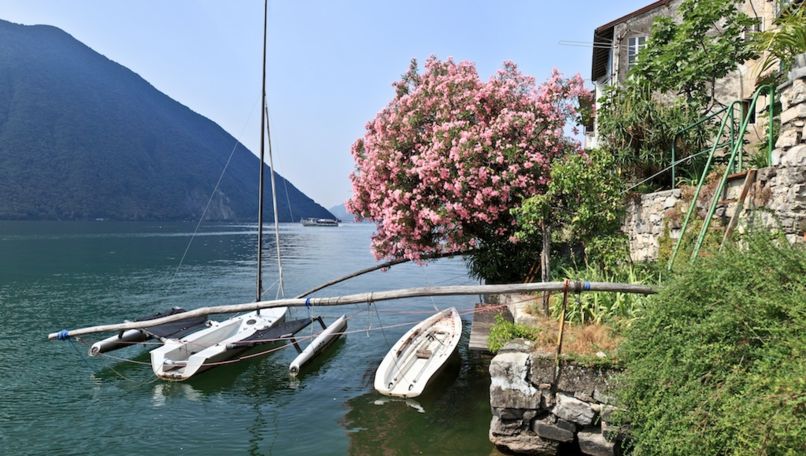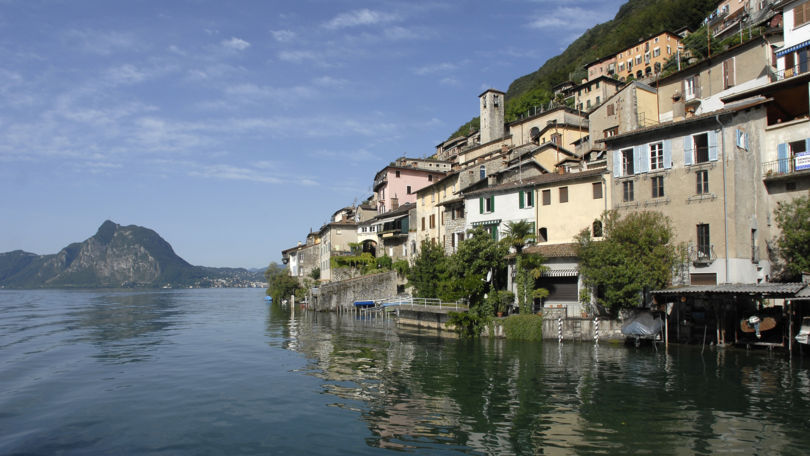
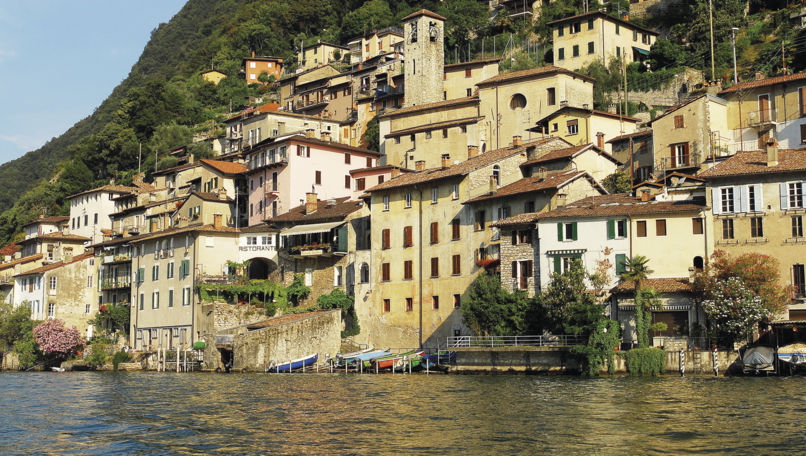
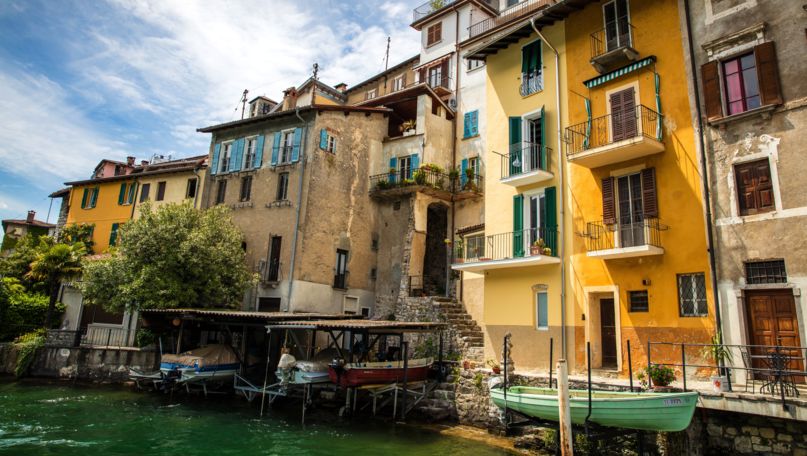
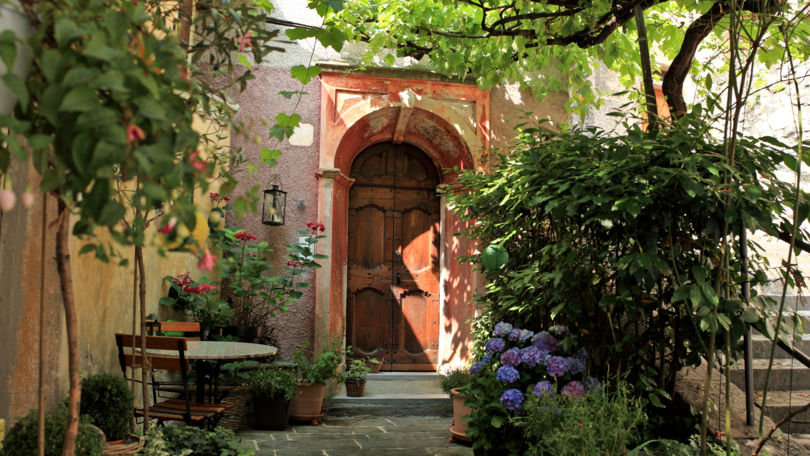
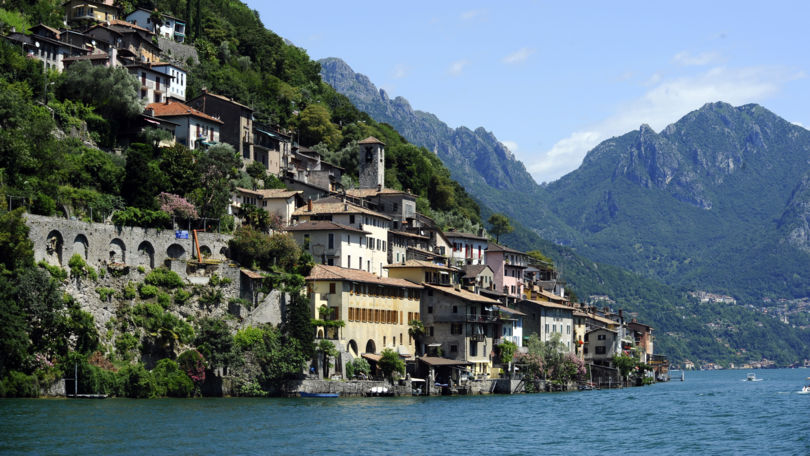
Clinging to the steep shores of Lake Ceresio, Gandria is one of Ticino's most enchanting lakeside villages -- a cascade of pastel-hued houses whose facades shimmer in the water's reflection. Reached by stairways and narrow alleyways, these tightly packed buildings date as far back as the 16th and 17th centuries, many adorned with delicate frescoes and stucco decorations. Arriving by boat from Lugano is the most atmospheric way to approach, and two splendid walks extend from the village: the Sentiero di Gandria (Gandria Trail) and the route along the opposite bank, beloved in summer for its shaded grottos (taverns).
The visit
Gandria is the last Swiss village before the Italian border. The mountaintops across the water are already Italian territory, yet the cluster of buildings visible at their base remains on Swiss soil: these are the Cantine di Gandria, the cellars where residents once stored their wine, cured meats, and cheeses in the cool darkness.
The village's story stretches back centuries. Before 1300, Gandria perched halfway up the slopes of Monte Bre -- "mountain" in the Celtic tongue -- and the ruins of that earlier settlement are still visible. Over time, the inhabitants migrated down to the lakeside. Until 1936, when the road was finally built, the village could be reached only by water or via gruelling trails, forcing residents into near self-sufficiency: horticulture, viticulture, livestock farming, and above all, fishing sustained the community.
Until the brutal winter of 1709, when most of Ticino's olive trees were destroyed by frost, Gandria was also renowned for its oil. An olive press displayed in front of the town hall honours that tradition, and in recent years new olive groves have been planted -- visible as a short detour from the Sentiero di Gandria. By the mid-19th century, silk production had taken root in the mill, the long yellow building visible from the lake.
Like other villages along Lake Ceresio, Gandria produced artists and architects who won acclaim far beyond these shores. The brothers Giovanni and Giuseppe Torricelli contributed to the 12th-century construction of the Trento Cathedral, while Vigilio and Pietro Rabaglio -- whose beautifully decorated house still stands in the village -- are celebrated for designing the royal palace of the Bourbons in Segovia, Spain.
If you have more time...Two walks
A visit to Gandria pairs beautifully with two walks: the Sentiero di Gandria and the lakeside path on the opposite bank from San Rocco to Gandria's grottos.
Itinerary: Gandria Trail (1.5h, see map)
For the classic Sentiero di Gandria, walk or take a bus to Lugano-Castagnola, where the trail begins along the lakefront to Gandria. Explore the village at your leisure and return by boat. Allow approximately half a day for this rewarding excursion.
Itinerary: Cantine di Gandria (2h, see map)
The walk from San Rocco to the Museo doganale Svizzero (Swiss Customs Museum) is ideal for hot summer days, threading through the shaded area of the Cantine di Gandria where locals once kept their provisions cool.
Take the boat from Lugano to San Rocco, where the namesake grotto invites a first stop. A twenty-minute hilly walk brings you to the Cantine di Caprino, a long line of connected buildings that have weathered the centuries with quiet grace. Ten minutes further on, the Grotto dei Pescatori (Fishermen's Tavern) awaits, its tables set invitingly in the shade along the Ceresio's edge. The path continues through woods at the foot of the mountain in an enjoyable rhythm of ascents and descents -- sometimes equipped with stone steps, sometimes running along the lakeshore, sometimes climbing higher through the trees.
After approximately an hour of walking, you arrive at the Cantine di Gandria, where some cellars remain private while others have become convivial gathering places. Many have been transformed into grottos: traditional Ticino taverns open only during the warm season, their tables set outdoors under chestnut canopies.
The walk concludes at the Swiss Customs Museum (free entry, open afternoons only, Tuesday through Sunday, April to October), which tells compelling stories of the border and smuggling. Afterwards, take the boat across to the picturesque village of Gandria.