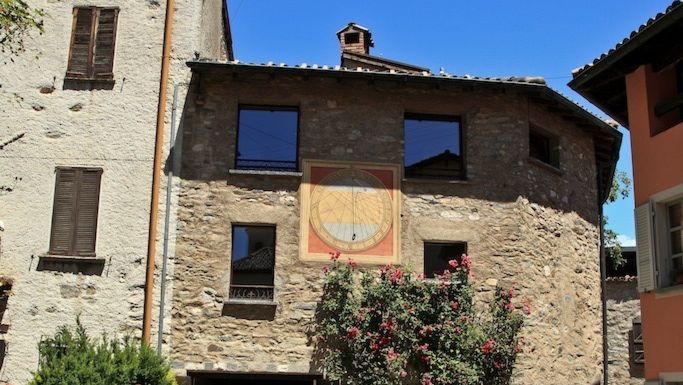
Nestled at the foot of Monte San Salvatore on a sun-drenched hill above Lugano, Carona is a village where art and history are woven into every stone. Behind its unassuming facades lies an exceptional heritage: richly decorated religious buildings rival the elegance of the many fine dwellings from centuries past. This remarkable legacy is the work of local craftsmen -- architects, decorators, painters, and sculptors -- who between the 15th and 18th centuries plied their trades across Europe, leaving masterful traces from Rome to Prague, and who returned to their birthplace to embellish it with the finest buildings and prestigious decorations their skills could produce.
Itinerary: Carona (3h, see map)
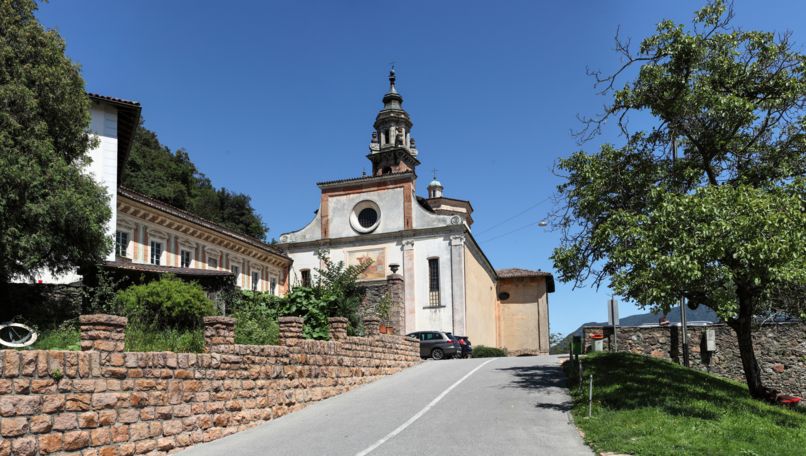
Carona's roots reach deep into the past. Already in the Middle Ages, the village had acquired notable renown, as evidenced by the construction of the Torello church commissioned by a Bishop of Como. A walk through the village allows you to absorb layer upon layer of this legacy. At Carona's northern entrance stands the parish church dedicated to the Holy Saints Giorgio e Andrea, a Renaissance building that guards precious frescoes within its cool interior. Beside the church, the handsome 16th-century communal loggia speaks of civic pride and gathering.
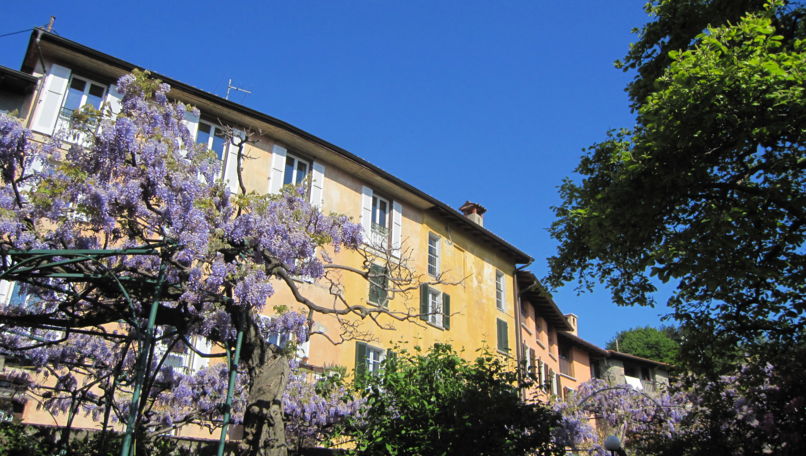
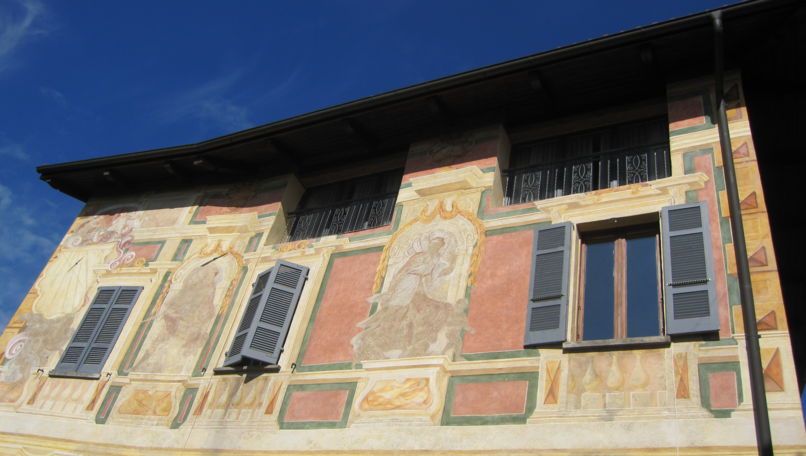
Strolling further through the alleys, you encounter a succession of noble houses with remarkably well-preserved graffiti, stuccoes, and frescoes -- each facade telling a different story. Just outside the village centre, the church of Santa Marta, once belonging to the namesake congregation, marks the start of a woodland trail leading to the Baroque sanctuary of the Madonna d'Ongero, which rests peacefully among the trees. Still a destination for pilgrims today, the sanctuary is finely decorated throughout. Along the access road, a sequence of chapels marking the Via Crucis prepares the spirit for arrival.
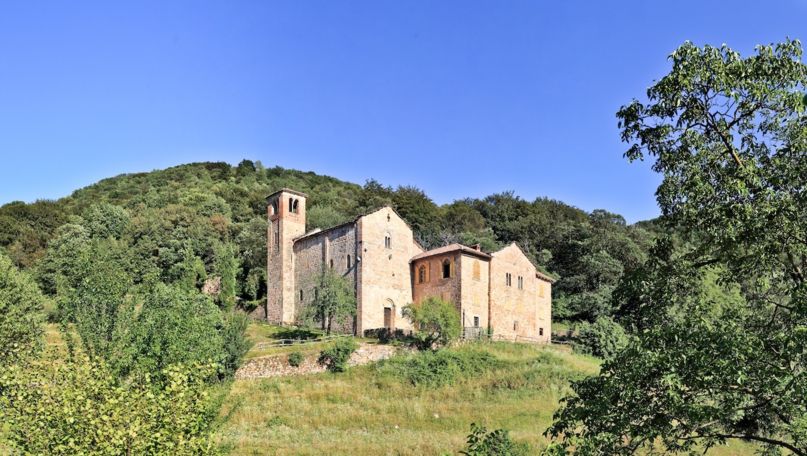
Follow the signposted trail and in about 20 minutes you reach the Romanesque church of Santa Maria di Torello, built under the direction of the Bishop of Como Guglielmo della Torre in 1217. An adjacent convent once stood here; the property, now transformed into a farm, is private and cannot be visited. Yet from outside, the sheer beauty of the setting and the imposing building itself -- with its fine details, carved gate, and surviving fresco fragments -- make the walk worthwhile.
In summer, Carona offers a pleasant public swimming pool set amid the verdant hillside woods. For walkers, an agreeable stroll from Carona to the Alpe Vicania through the San Grato Park rewards with superb panoramic views over the bay of Lugano.