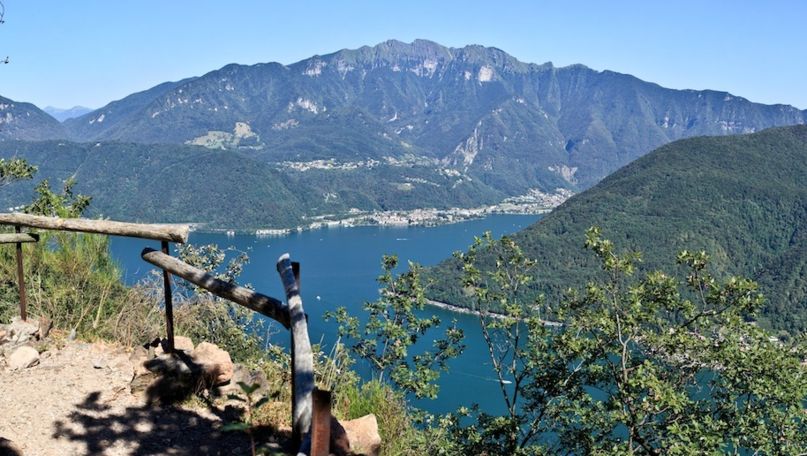
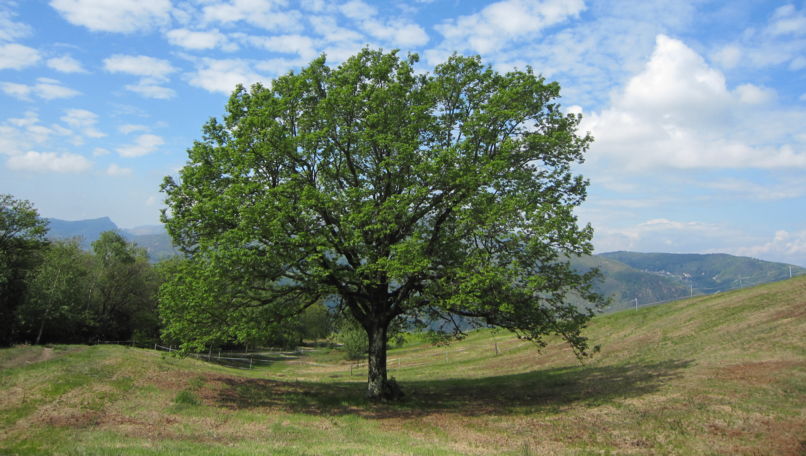
Azaleas blazing in every shade of pink and crimson, quiet woods overlooking Lake Lugano, horses grazing freely on a hilltop pasture, and the Baroque splendour of a centuries-old sanctuary hidden in the trees: the walk from Carona to Alpe Vicania and back offers an intimate glimpse of Ticino's green, tranquil heart. This is a landscape painted in the soft tones of a Renaissance fresco, where art and nature have been intertwined for generations.
Itinerary: Hill of Carona (3h, see map)
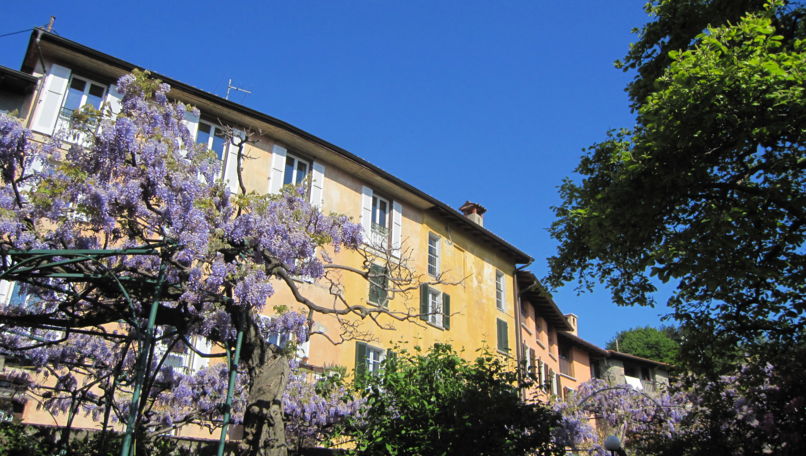
Begin with a wander through the village of Carona itself. Frescoed and stuccoed houses line narrow alleys where architects, artists, and craftsmen were born, their talent part of the great artistic emigration of the Comacine Masters (stonemasons) who spread their work across Europe. Among the village's six churches, the one dedicated to Saints George and Andrew preserves notable frescoes and a graceful communal Loggia with a 16th-century arched portico. Illusory paintings, sundials, and decorated balconies appear at every turn.
In late spring, attention shifts to the magnificent San Grato Park, where multi-coloured azaleas and rhododendrons burst into bloom against a backdrop of towering conifers. Trails wind through the park, revealing an extraordinary variety of plants while the panorama stretches to Monte San Salvatore, Camoghe, Monte Boglia, Sighignola, Monte Generoso, and the villages dotting the lakeshore below.
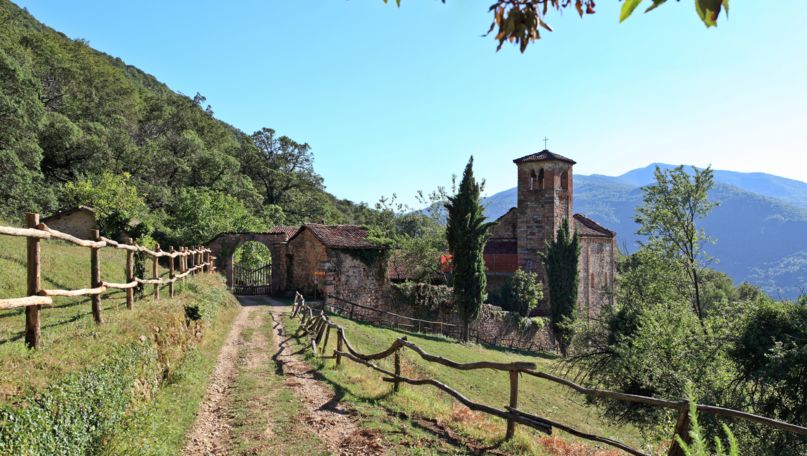
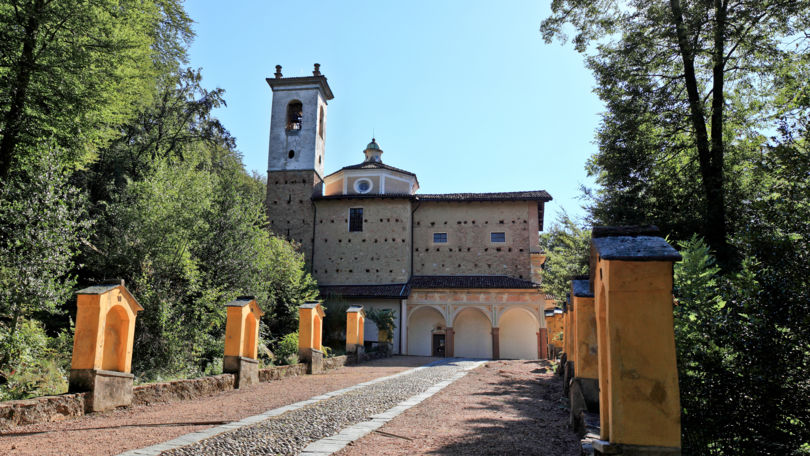
From Carona, a wide, level trail leads into the woods and, in just over an hour, delivers you to Alpe Vicania. Here, in open fields where horses roam freely, an excellent restaurant invites a leisurely culinary stop. The return route loops around Monte Arbostora and includes a detour to the sanctuary of the Madonna d'Ongero. If the doors are open, step inside: the church's interior is lavished with stuccos and Baroque frescoes, and outside, a Via Crucis (Stations of the Cross) with chapels set in an enchanting woodland clearing deepens the contemplative mood.
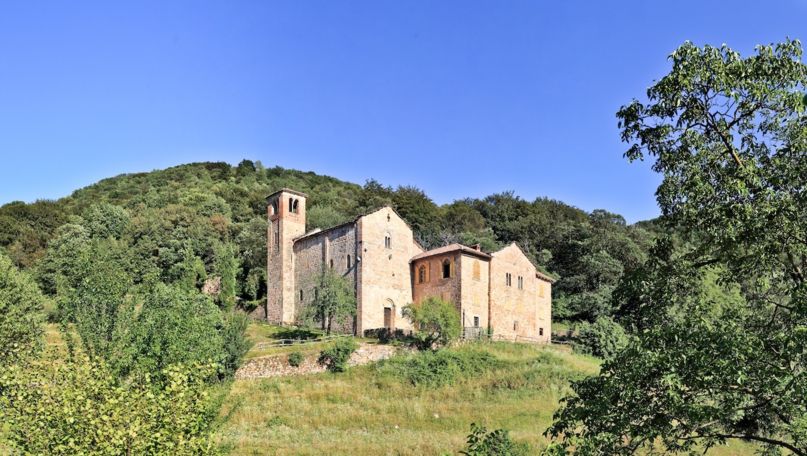
An additional detour of roughly 40 minutes round-trip brings you to the 13th-century Torello Monastery, comprising a church and a manor farm (now private property). Though the frescoes have almost entirely vanished, the elegance of the gate and twin columns still speaks of a once-grand foundation.