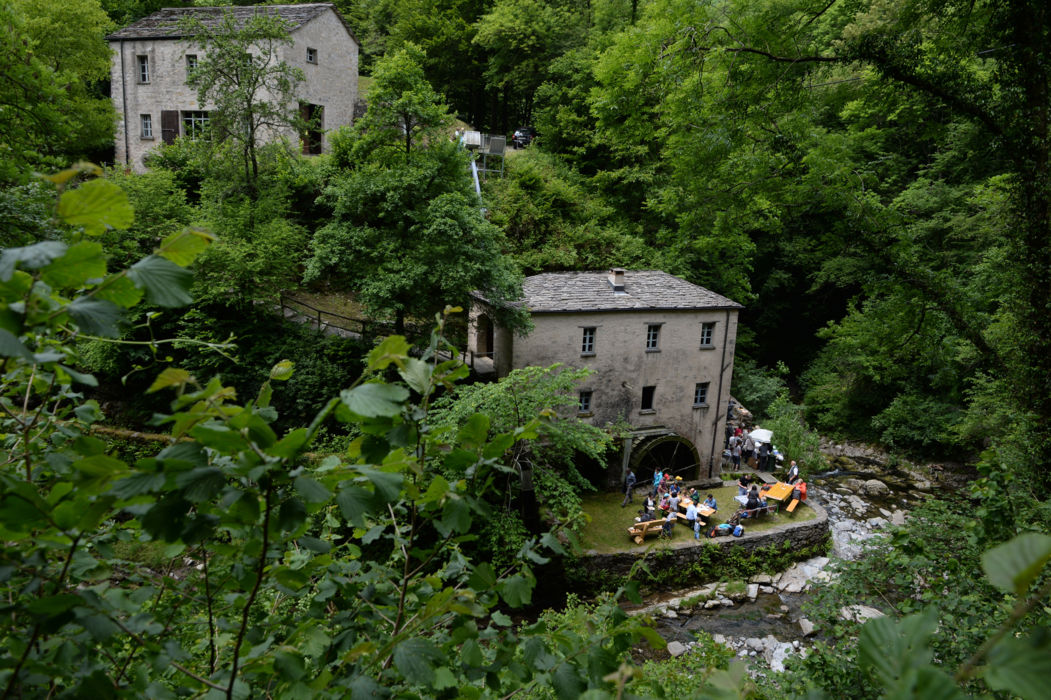
Walk the Blenio Valley's historic trail and you walk through a living open-air museum of faith, labour, and artistry. Frescoed churches rise from wooded hillsides, castle ruins brood on rocky promontories, and centuries-old grottoes beckon with the promise of local wine. Along the way, a curious round house reveals the extraordinary photographic legacy of Roberto Donetta, who captured valley life in images of haunting beauty. This easy 14-kilometre loop is a feast for the senses and the imagination.
Itinerary: Historic trail of Blenio Valley (5h, see map)
The route begins and ends in Acquarossa, easily reached by public transport. Follow the brown "Sentiero storico 1" signs. The village takes its name from its mineral-rich thermal waters, a fitting start for a journey of discovery. Walk toward Corzoneso to visit the beautiful church dedicated to Saint Nazzaro and Saint Celso, adorned with stuccos and vivid frescoes.
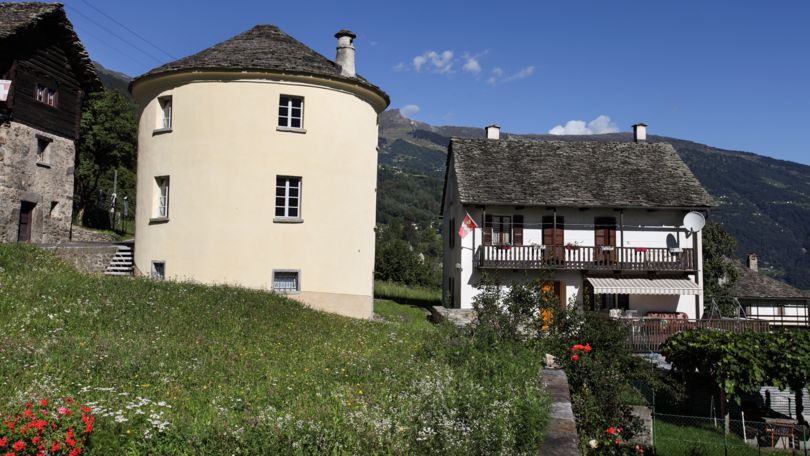
A short distance further, the hamlet of Casserio holds a treasure: the Donetta Archives, housed in a distinctive round building that was once the home of photographer Roberto Donetta (1865-1932). Donetta divided his life between his passion for photography and humble jobs to support his large family, working as a seed pedlar and, in winter, as a "marronaio" (chestnut seller) in northern Italy. He lived and died in poverty, but his glass plates, recovered only recently, contain photographs of enormous historic value, now on display in his remarkable "Round House." (For opening hours visit www.archiviodonetta.ch).
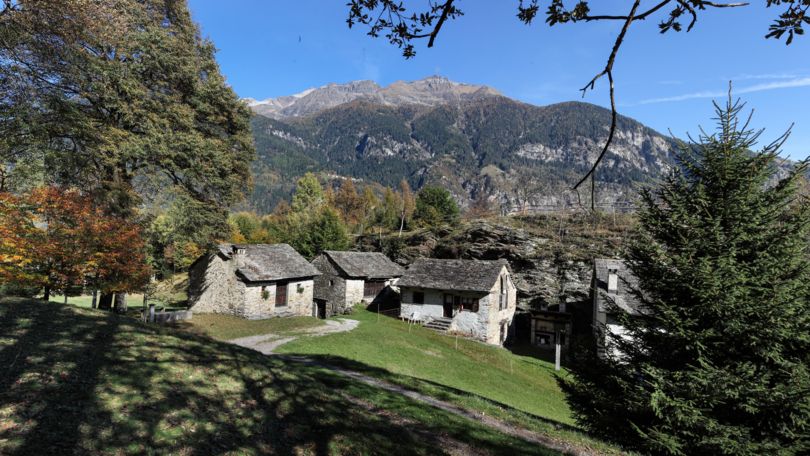
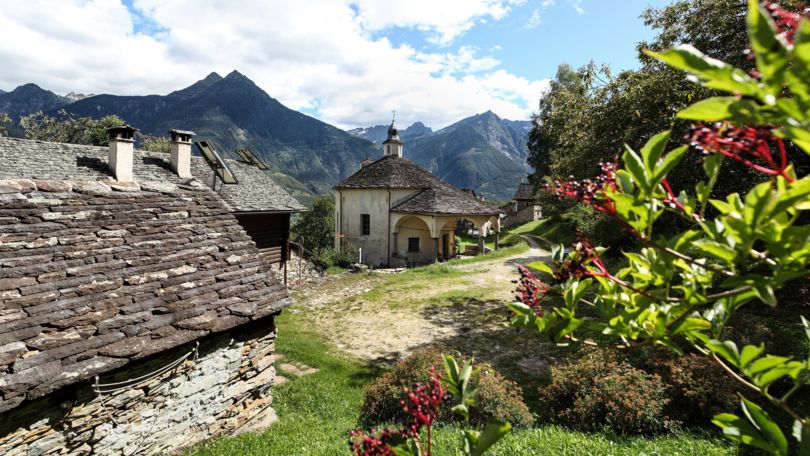
From Corzoneso, continue to Mount Navone (770 metres), an idyllic spot where vast meadows surround rustic buildings and a chapel dedicated to Santa Maria Bambina. This unique octagonal Baroque chapel houses paintings depicting the life of the Virgin Mary, a jewel of devotional art in a setting of pastoral calm.
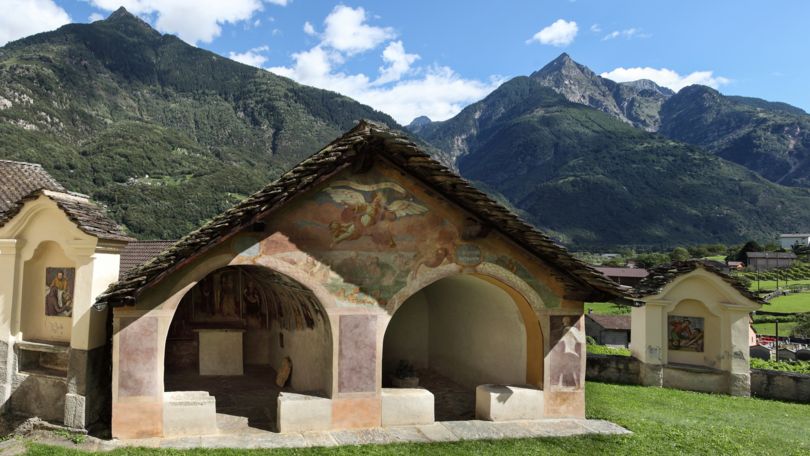
The trail descends to Semione through forests and meadows offering sweeping views over the valley. The recently restored village church, with its bell tower, churchyard chapels of the Via Crucis, 18th-century cross, and Chapel of the Deceased, forms an architectural ensemble of great beauty. Standout frescoes in the chapel, several attributed to artists of the Seregnesi school (15th century), reward careful study. The village also features picturesque houses built in the late 19th and early 20th century by returned emigrants.
Pause to admire the ruins of Serravalle Castle, its grey stone walls rising from a rocky promontory amid vineyards and lush green countryside. These evocative remains, now the subject of ongoing study and restoration, testify to the stronghold's storied past. The castle church, just below, houses 16th-century frescoes by Giovanni Battista Tarilli Cureglia.
Continue to Ludiano, an area rich in vineyards and grottoes that features an ancient 18th-century lever wine press. A stop at one of the local grottoes is an absolute must. A short detour leads to the beautiful San Pietro di Motto church, a Romanesque building dating from the 13th century and expanded in the 16th.
Enter the woods to reach the chapel of Santa Maria del Monastero, also known as San Martino Viduale. This site once hosted a hospice for wayfarers crossing the Lucomagno or Nara passes. Legend has it that Martino Rossi, a Blenio native, worked here before becoming the most famous chef of the Italian Quattrocento (15th century).
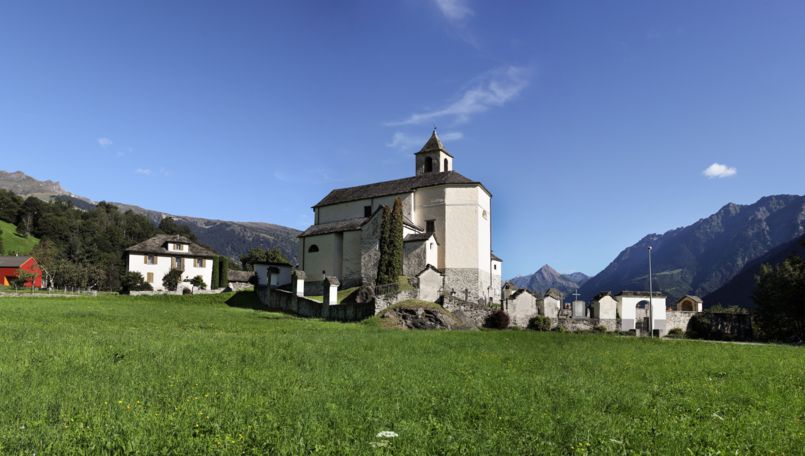
Before returning to Acquarossa, you will pass the charming 11th-century Romanesque church of San Remigio in the hamlet of Boscero, a quiet final note of beauty to close the walk.
The historic trail of Blenio Valley is an easy 14-kilometre hike requiring approximately 5 hours without stops. For access keys to the religious buildings along the way (generally closed), enquire at the tourist office in Olivone (tel. 091 872 14 87).