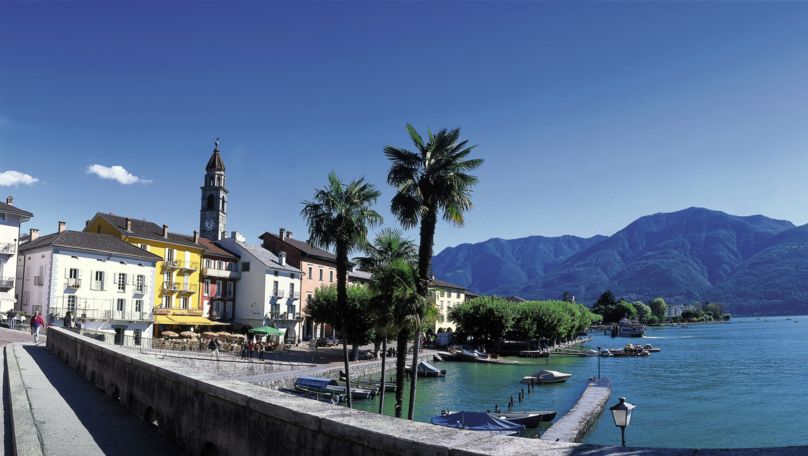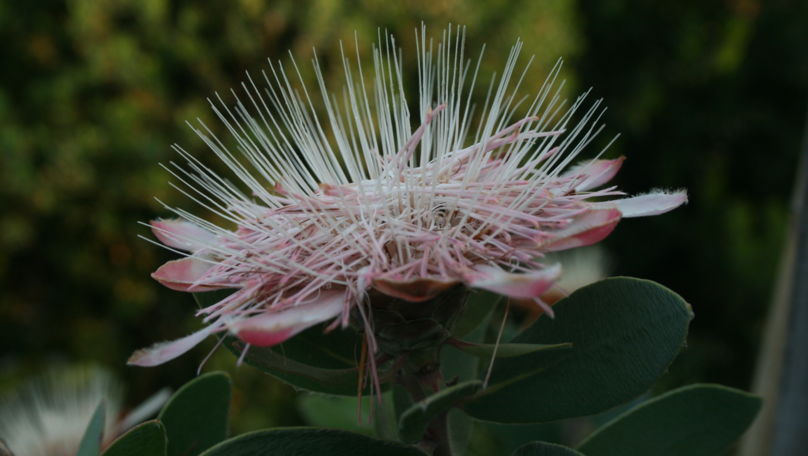
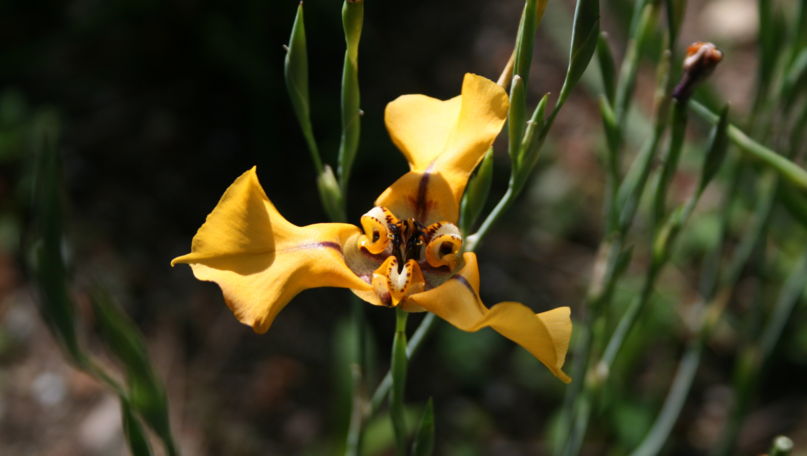
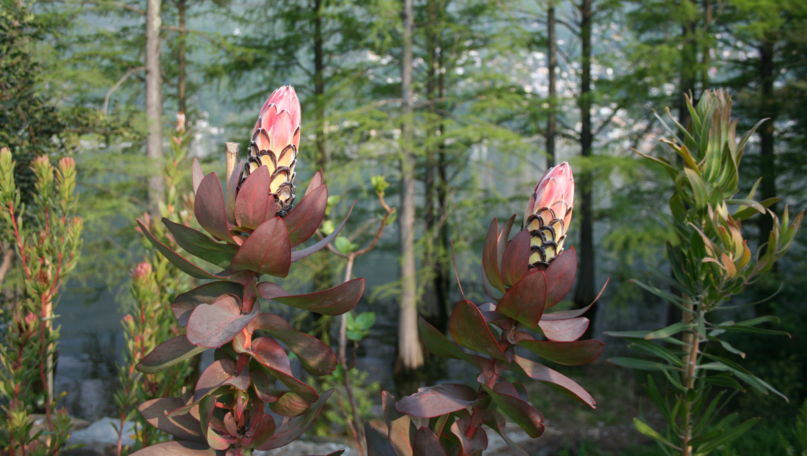
A short boat ride from the shores of Ascona or Locarno transports you to another world entirely. The Brissago Islands shimmer like a green jewel on Lake Maggiore -- a small subtropical paradise where the mild lake climate nurtures vegetation that has no right to flourish this far north. Beneath canopies of rare majestic trees, luxuriant shrubs unfurl alongside delicate ferns and beds of scented flowers, evoking the atmosphere of distant tropical shores. Around 2,000 plant species from the Mediterranean, Asia, Africa, the Americas, and Oceania thrive in this remarkable botanical garden, making the Brissago Islands one of Ticino's most magical destinations.
The Visit
The island open to visitors is the Isola Grande (from April to November), also known as San Pancrazio. Covering 25,000 square metres, the botanical garden invites leisurely exploration through habitats representing the Australian, Asian, and African continents, culminating in a section dedicated to Mediterranean vegetation that should not be missed. Particularly striking are the area around the Roman baths, the panoramic viewpoint at the island's tip, the dense reed grove, and a small beach lapped by lake water. Species native to the Insubrica region also grow naturally throughout the park, adding a local dimension to this global collection of 2,000 species of flora, many of them unique in Switzerland.
The smaller island, known as Isola di Sant'Apollinare or Isola dei conigli (Rabbits' Island), is not open to the public. It preserves native vegetation and the evocative ruins of an ancient church.
Short guided tours are included in the admission price, offering fascinating insights into the world of plants and the colourful history of the Brissago Islands. More in-depth accompanied tours are available for a fee and by reservation. Young visitors can discover the island through a treasure hunt called "the search for lost flowers."
History
The story of this botanical paradise begins with Russian Baroness Antoinette de Saint Leger, who purchased the island in 1885 and transformed it into her personal Eden. She planted species never before seen in the region -- including the Chilean wine palm (Jubaea chilensis) -- and attracted renowned writers, musicians, and painters to her island home.
After losing her fortune, the Baroness sold both islands in 1927 to Max Emden, a wealthy Hamburg merchant. Emden built the imposing palace, the boat house, and the Roman baths, living in flamboyant style while generally respecting and enlarging the original garden design. Left undisturbed over the decades, the plants grew into the lush groupings, layered backgrounds, and captivating perspectives that visitors marvel at today.
In 1949, a public Foundation acquired the Brissago Islands and the Isola Grande became Ticino's Botanical Park. Since 2020, the Canton of Ticino has assumed full ownership of the islands, and the park has been renamed the "Botanical Garden."