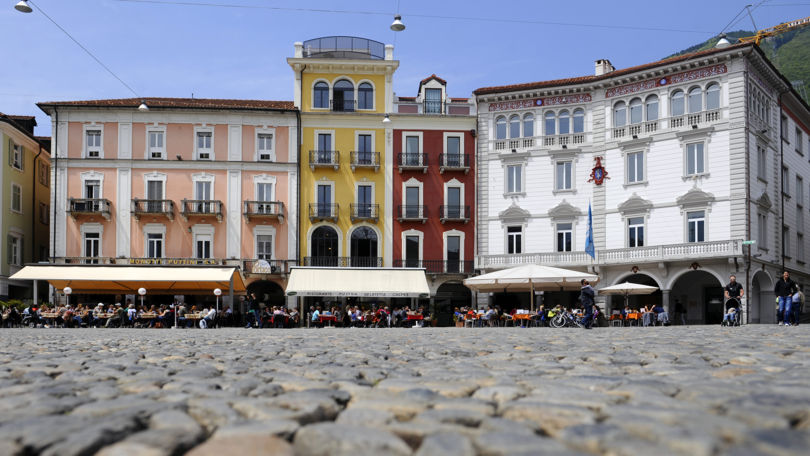
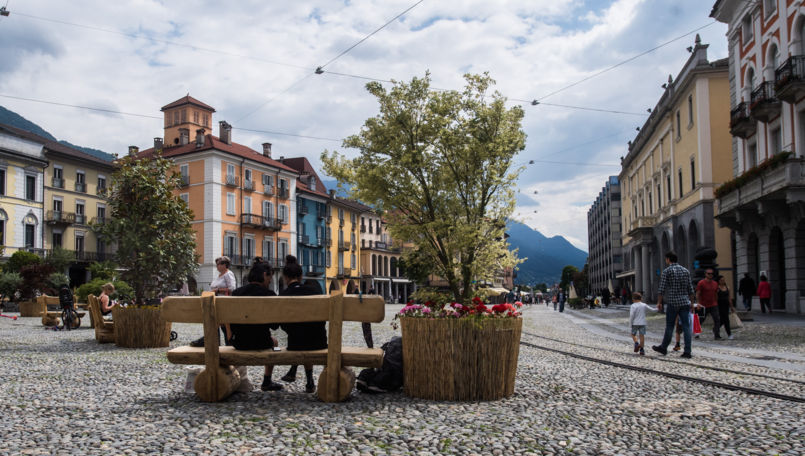
Sun-warmed cobblestones, the soft echo of footsteps beneath Lombard porticos, and glimpses of Lake Maggiore glinting at the end of every side street -- Locarno's Piazza Grande captures the soul of this lakeside city. Stretching 700 metres in a harmonious succession of arched arcades that shelter cafes, shops, and restaurants, the square is the stage for the famous International Film Festival each summer and the open-air "Moon & Stars" music festival. It is also the perfect starting point to explore the historic centre's treasures: the Visconti Castle, the churches of the Citta Vecchia (old city), the lakefront, and the remarkable Romanesque church of San Vittore in Muralto.
Itinerary: Locarno's Historic Centre (2h, see map)
Piazza Grande took shape in the 18th century as the lakefront gradually receded from the houses it once lapped against. The characteristic pavement of river cobblestones dates from 1825 and still rings underfoot today.
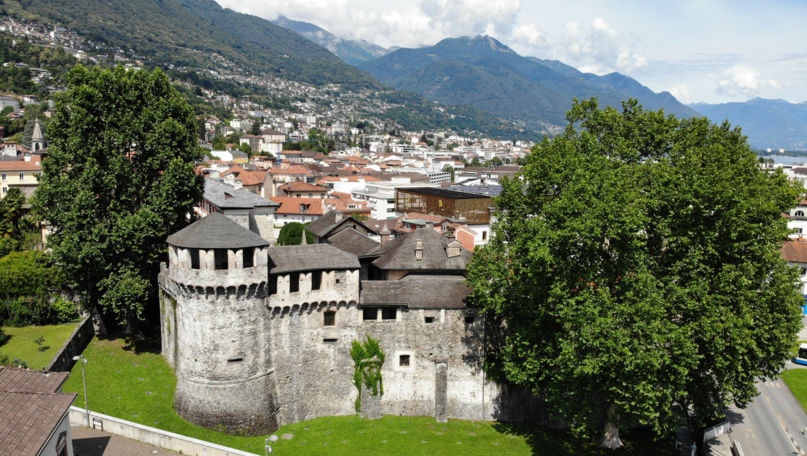
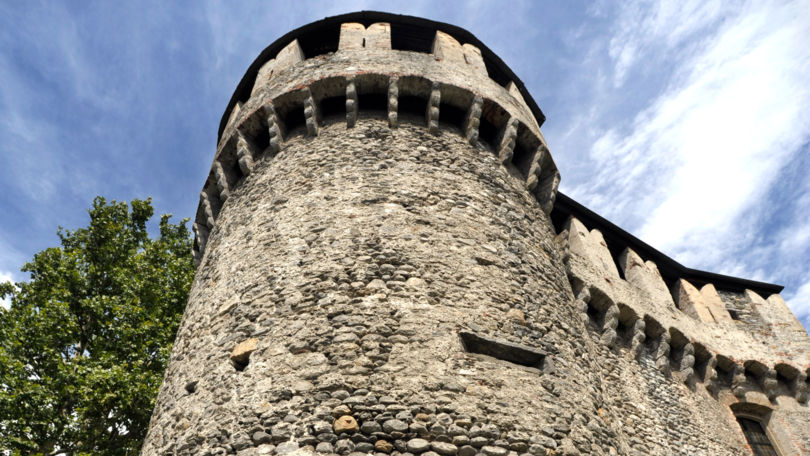
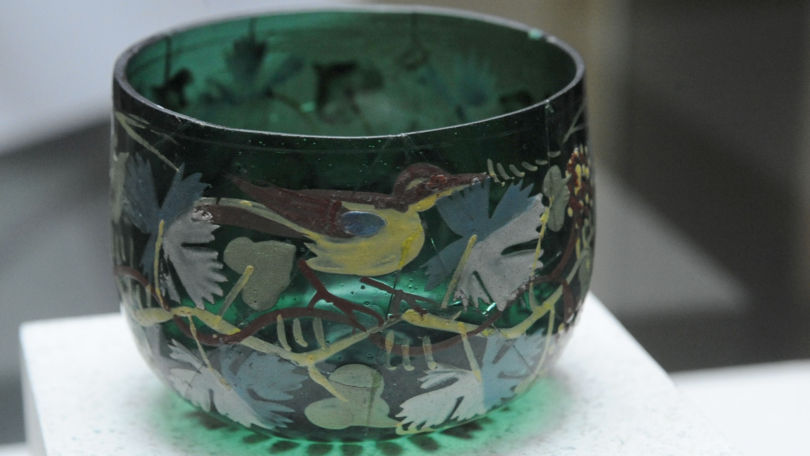
Begin by crossing the full length of the square to the Visconti Castle. Of ancient origins, it was seized by the Visconti family of Milan in 1342 and subsequently enlarged. In 1532, after the Confederates' victory over the Milanese, most of the fortress was demolished; of its original five towers, only one survived. Today the castle houses the Archaeological Museum, home to a remarkable collection of Roman glass unearthed in regional excavations, including the celebrated "bird chalice."
Ascend the stairway along the castle's western flank into the Citta Vecchia. At the top, follow Ripa Canova to the small square where the church of San Francesco (Saint Francis) stands beside its namesake convent. Though traditionally dated to 1316, the present building was constructed in 1583 using stones from the castle sections destroyed by the Confederates. The triple-aisled interior, graced with precious frescoes, was carefully restored between 2009 and 2012. San Francesco regularly hosts classical music concerts during the prestigious Settimane Musicali di Ascona (Ascona Music Weeks). The adjacent Friars Minor convent was converted into a school at the end of the 19th century.
From San Francesco, return to the little square and enter Via dell'Ospedale. At the hospital entrance, pause before a commanding bronze sculpture by artist Nag Arnoldi. Turn left into Via Castelrotto, which runs alongside the hospital's modern facade, and continue to the end. At the main road (Via Rinaldo Simen), turn right and then left onto Via Vallemaggia.
After a few metres, take Via S. Maria in Selva on the left, where a large gate opens onto the namesake church within the city cemetery. Inside, precious frescoes by several masters await. The most extraordinary, dating from 1401, are the work of the enigmatic "Master of Saint Mary" and rank among the finest examples of the International Gothic style in Lombard territory. In the central part of the eastern lunette, "Our Lady of Clemency" presides above, while the "Coronation of the Virgin" and groups of Saints, Martyrs, and Prophets fill the vault ribs. Further frescoes include works by Giacobino da Vitale (The Virgin's Funeral, 1450), the Seregnesi workshop (votive subjects), and the Antonio da Tradate workshop (Presentation at the Temple).
Leaving the church, return to Via Vallemaggia and turn left. Walk to Piazza S. Antonio, where the Baron Marcacci monument (1856) rises at the centre. Flanking the square are the namesake church, partially rebuilt in the 19th century, and the Casa Rusca, a noble 17th-century residence that serves as headquarters for the Pinacoteca comunale (Communal Art Gallery). Cross the square and take the narrow Via S. Antonio, threading past antique and handicraft shops to Piazzetta delle Corporazioni, then turn left onto Via Cittadella, the main artery of the Citta Vecchia. Here stands the church of Santa Maria Assunta -- also known as the Chiesa Nuova (New Church). Built around 1630, its facade is adorned with a stucco sculpture of San Cristoforo (Saint Christopher), while the interior boasts one of the most sumptuous Baroque stucco decorations in all of Ticino.
Follow Via Cittadella to its intersection with Via Panigari, where you can descend back to Piazza Grande. Turn right through the porticos toward Via Ramogna and onward to the train station, behind which rises the Romanesque church of San Vittore, considered one of the most important in Ticino.
The San Vittore church
The current building dates to around 1100, though its bell tower reaches even further back to the 6th century. The church is renowned for its frescoes in the central aisle depicting scenes from Genesis -- from the Expulsion from Paradise to the Curse of Cain. Best appreciated with binoculars, these paintings are exceptional in their choice of themes, forms, and colours, unfolding along a strip roughly 2 metres wide and 20 metres long. Dating from approximately 1140-1150, they are among the oldest surviving frescoes in Ticino. Equally remarkable are the 22 carved capitals topping the columns that support the crypt, decorated with geometric and plant motifs, human heads, and fantastical animals -- an extraordinary gallery of Romanesque sculpture.
Behind the collegiate church, enter Via San Vittore on the right, which descends toward the lake. At the end of the railway bridge, take the stairway down and pass through an archway to the charming Vicolo dei Nessi, which leads you to the Muralto lakefront and the sparkling waters beyond.
Guided Tours
Audio-guided and original guided tours are available to help you discover the historic centre and the many facets of this remarkable town. For information and reservations, contact the Tourist Office Locarno (tel. +41 (0)848 091 091 - [email protected]).